
Health & Appliances
Affordable, energy-efficient, electric appliances can significantly improve health outcomes for both weak- or off-grid, as well as grid-connected communities.

CLASP’s key stats on health
- A CLASP report on medical equipment and clinic electrification found that by integrating decentralized clean energy with efficient medical devices, a single facility can avoid up to 42 tonnes of
CO2 emissions over a 20-year period. - In the same upcoming report, CLASP cited that as of 2023, the market value for medical devices in Africa was $4.49 USD billion.
- As cited in a CLASP-led publication, an estimated 33% of health facilities across sub-Saharan Africa have unreliable access to electricity, while up to 25% have no access at all.
[Photo: Shutterstock]
How do energy-efficient appliances support health?
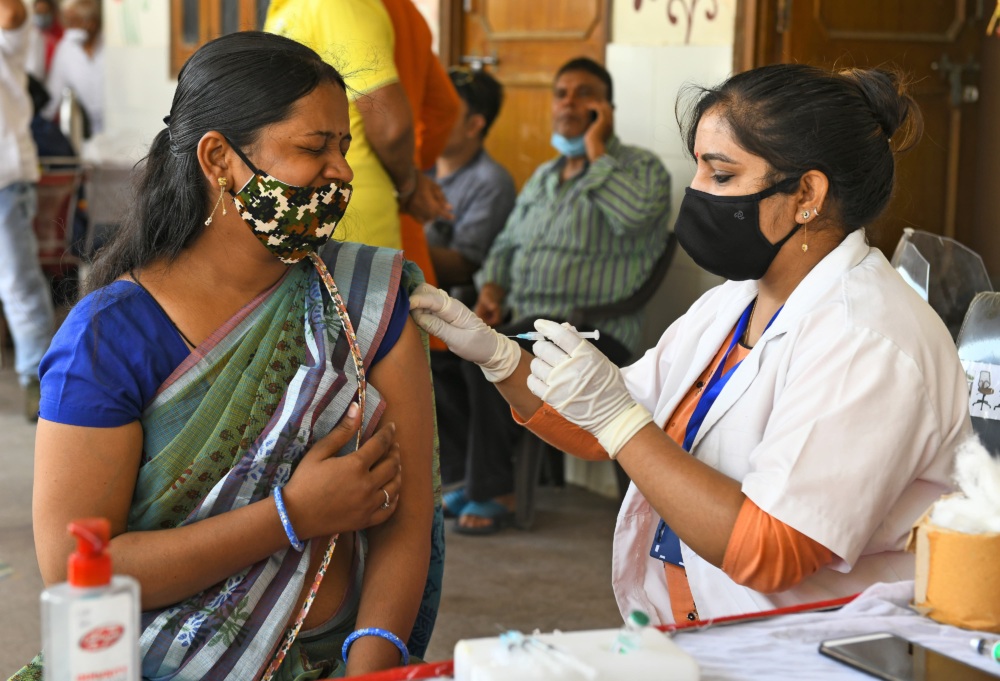
In many low- and middle-income countries 60% of health facilities lack access to reliable electricity1, impeding the delivery of essential and life-saving services. Without electricity, clinics cannot utilize some of the most basic tools and appliances to provide modern medical care, and vaccines and medicines cannot be preserved by cooling.
Durable, energy-efficient appliances allow clinics to deliver quality healthcare services while using significantly less energy. CLASP works to ensure that off-grid communities are not left behind by advocating for access to reliable, clean energy services and quality appliances.
Beyond clinic settings, CLASP also supports the delivery of energy-efficient, electric appliances that directly improve people’s health. Appliances such as electric pressure cookers and solar-powered mills replace coal, wood, or diesel alternatives, which eliminates exposure to harmful pollutants. Once connected to clean electricity families and businesses can access critical public health services and information through their appliances.
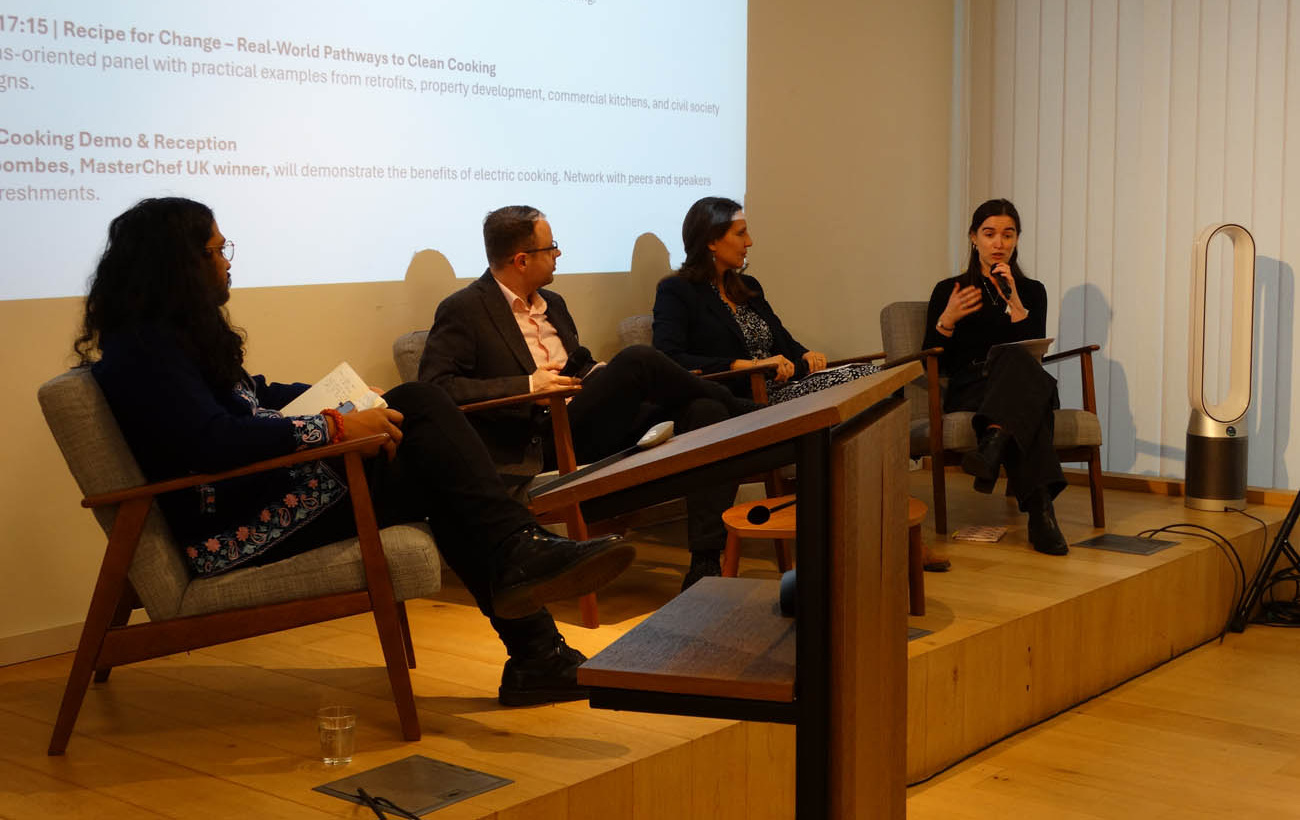
In regions connected to the grid, CLASP conducts research and raises awareness on the harmful effects of pollutants from gas-powered cookers,2 such as asthma, childhood brain development issues, and pulmonary disease. Transitioning to electric cooking is the cleanest and healthiest solution.
Related News


How does CLASP's work support better health?
Our programs aim to enhance global public health by expanding access to energy-efficient or solar-powered appliances that have the potential to save lives and reduce exposure to harmful pollutants:
Efficient appliances advancing health
CLASP has identified the highest priority appliances, lighting, and equipment that are key to lowering emissions, improving lives, and building resilience to climate risks: these are the “Net Zero Heroes.” The following appliances have a profound impact on health:

Air conditioners help to reduce heat-related health impacts and death for the young, elderly and those with pre-existing health conditions.

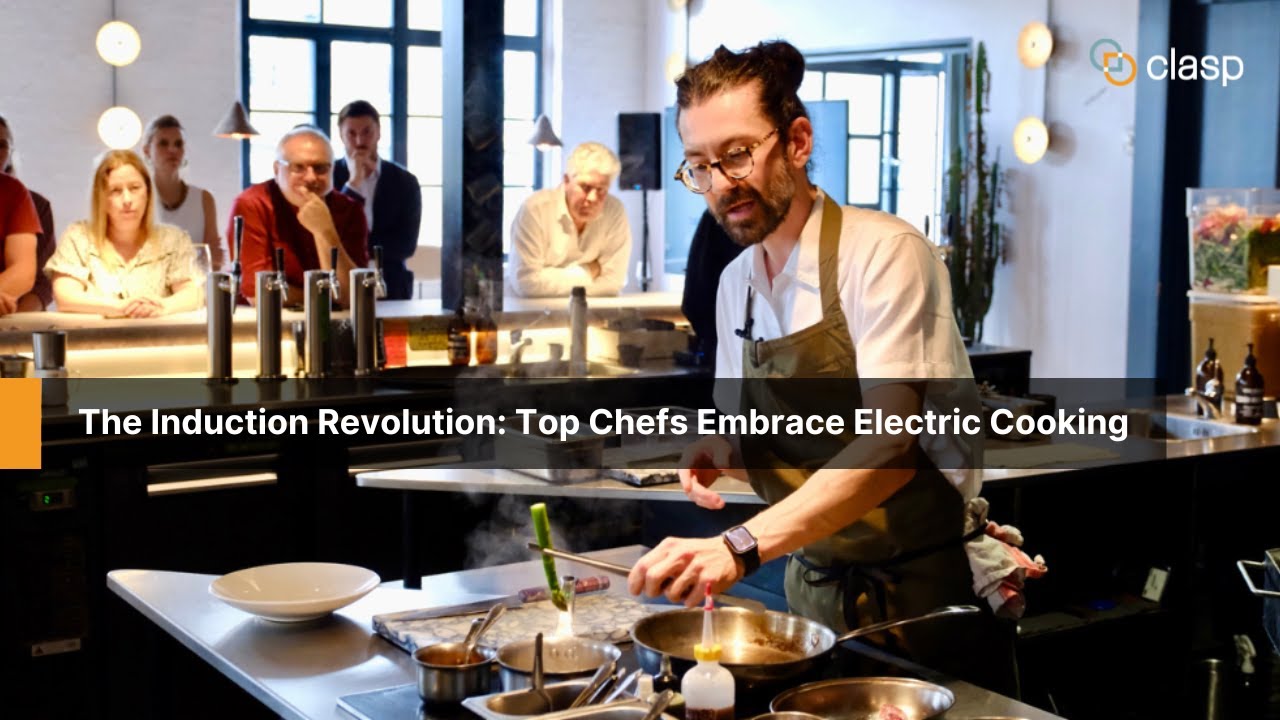
Electric and induction cooktops offer a safer, healthier alternative to gas hobs, ovens, or solid fuel stoves, which release toxic pollutants that harm human health increasing the likelihood to develop respiratory-related health issues.

Fans can reduce heat-related health risks and death during severe heat waves, by preventing elevations in heart rate and core temperature.

LED lighting helps to reduce exposure to indoor air pollution from kerosene lamps. It also avoids the harmful, toxic effects of mercury, a potent neurotoxin, present in fluorescent lighting.

Refrigerators help preserve medicines and vaccines and extend the shelf life of food, reducing waste and increasing access to nutritious, healthy food options.

Solar Generators
Solar-powered zero emission generators (ZE Gen) are portable power stations that are used as individual use resources to power things like small businesses, schools, or campsites.
Solar Mini-Grids
Solar mini-grids provide access to clean energy in electricity-constrained regions.
0. “Publication: Electricity Access in Sub-Saharan Africa: Uptake, Reliability, and Complementary Factors for Economic Impact”, Open Knowledge Repository, March 8, 2019. https://openknowledge.worldbank.org/entities/publication/2f94c586-1fdc-5140-be50-4575e95c4cfd.
1. Blair, H. et al “Exposing the Hidden Health Impacts of Cooking with Gas”, CLASP and European Public Health Alliance, January 8, 2023. https://www.clasp.ngo/research/all/eu-gas-cooking-health/.