
Climate Mitigation & Appliances
CLASP’s research shows appliances, lighting, and equipment are responsible for close to 40% of all energy-related CO2 emissions. Energy-efficient appliances are a rapid, cost-effective solution to reduce climate emissions and mitigate climate change.

CLASP’s key stats on climate mitigation
- By December 2024, CLASP had advanced appliance efficiency policies that will result in over 1.9 Gt of CO2 reductions by 2030.
- CLASP is supporting appliance energy efficiency in 12 of the top 20 carbon emitting economies in the appliances sector.
- CLASP’s energy access programs have helped avoid over 475,000 tons of CO2.

[Photo: Shutterstock]
How do energy-efficient appliances support climate mitigation?
Tens of billions of appliances are in use today, and their numbers continue to grow. Improving the energy-efficiency of the world’s appliances, lighting, and equipment is key to reducing climate emissions as they require less power to perform the same task. CLASP’s research shows that if governments and manufacturers rapidly supercharge the efficiency of ten key appliances we can prevent the release of over 1.9 gigatons of CO2 by 20501 (equivalent to one fifth of global emissions today).
CLASP works in the world’s top-emitting countries to advance ambitious, data-driven solutions that increase appliance efficiency and reduce climate emissions while keeping us connected, comfortable, and productive.
We partner with governments, the private sector, and local and international partners to advance international appliance efficiency, including minimum energy performance standards (MEPS), labeling requirements, purchasing incentives, and consumer education.
Our research shows these are among the fastest, most-effective tools for mitigating climate change. Appliance efficiency has other net-benefits including saving money for consumers and governments, alleviating the demand on electricity grids, and bolstering energy security.
Related News


How does CLASP’s work support climate mitigation?
Our programs focus on data-driven, cost-effective interventions to mitigate the climate crisis and promote the uptake of super-efficient technologies. CLASP programs and partnerships that have an impact on climate mitigation include:
- Appliance Efficiency Policy Support
- Clean Lighting Coalition
- Cook Cleaner Europe Campaign

Efficient appliances advancing climate mitigation
CLASP has identified the appliances at the core of achieving Net Zero by 2050, improving quality of life, and enabling climate change adaptation and resilience: these are the ten “Net Zero Heroes”. The following appliances support large emissions reductions:

The demand for air conditioners is steadily growing as global consumers seek to improve their quality of life in the face of rising global temperatures. Energy-efficient ACs are crucial to keeping people cool while reducing climate emissions.

Unsustainable harvesting of fuelwood and incomplete burning of biomass (mainly for cooking) accounts for up to 2% of global GHG emissions and up to 25% of annual anthropogenic black carbon emissions. A global transition to electric cooking would help reduce deforestation, climate emissions, and exposure to harmful air pollution.

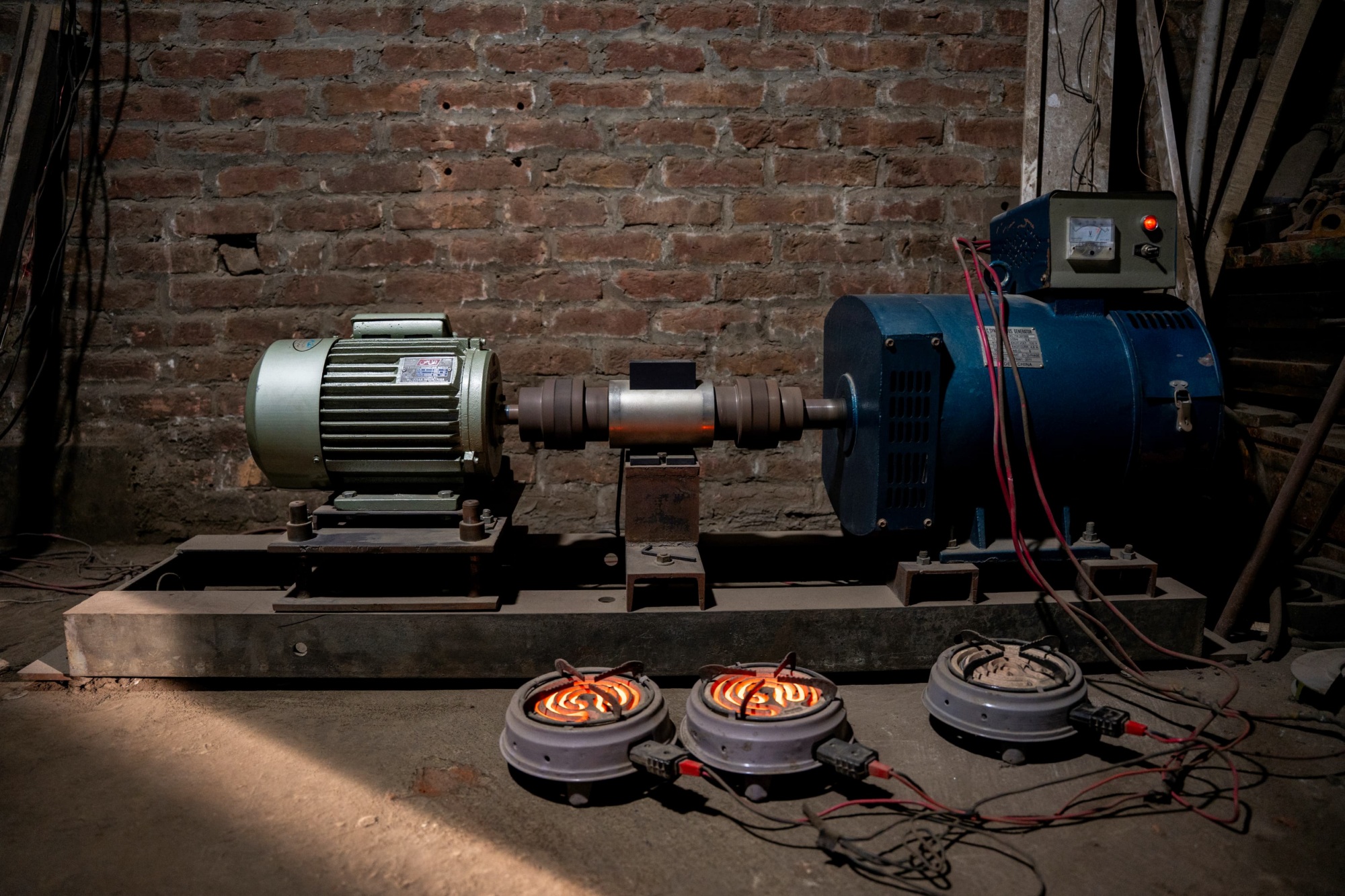
Motors currently contribute to 16% of total appliance CO2 emissions globally. Increasing the energy efficiency of electric motors will reduce energy demand and curb emissions while increasing industrial competitiveness and productivity.

Residential heating and cooling account for 51% of household energy use and 40% of household energy bills in the US alone. Heat pumps provide both cooling and heating services and are up to four times more efficient than traditional equipment. They save consumers money on their energy bills and could avoid 1.2 Gt of CO2 emissions by 2040 relative to business-as-usual scenarios.

A full transition to LED lighting would eliminate toxic mercury pollution from the production, breakage, and disposal of fluorescent lighting.

Refrigerator-freezers help extend the shelf life of food and medicine. This reduces food waste and avoids significant amounts of CO2 emissions. Efficient coolers need less energy and this lowers CO2 emissions.

Unlike traditional water heaters that generate heat directly, heat pump water heaters move heat rather than create it. In doing so, they use two to three times less energy than conventional electric resistance water heaters, reducing reliance on fossil fuels for water heating.
0. “Net Zero Heroes: Scaling Efficient Appliances for Climate Change Mitigation, Adaptation, and Resilience”, CLASP, November 2023. https://www.clasp.ngo/report/net-zero-heroes/.