
Residential Energy Consumption Patterns and Appliance Ownership in India: Insights From a 2024 Household Survey
India’s energy landscape is rapidly evolving, driven by a growing population, an expanding economy, and growing access to modern energy services.
With a population exceeding 1.4 billion, India’s residential sector is a key contributor to the country’s overall electricity consumption. As of 2024–25, it accounts for ~25% of total electricity usage in the country, with an annual growth rate of 6%.
To better understand the factors driving up this energy use, CLASP conducted a study examining appliance ownership, usage patterns, and their impact on residential electricity demand. The study draws on data collected from a sample of 4,321 households across 20 states, covering both urban and rural areas and representing major climatic zones.
Key findings
- Energy consumption in surveyed households is not uniform: Climatic conditions, socioeconomic status, awareness of energy efficiency strongly influence appliance use.
- Among surveyed households, electricity use is primarily driven by thermal comfort, which accounts for 40% of total consumption, reflecting the growing demand for cooling solutions. Kitchen appliances contribute 28% to electricity use, while lighting accounts for 11%, and other miscellaneous uses make up the remaining 21%.
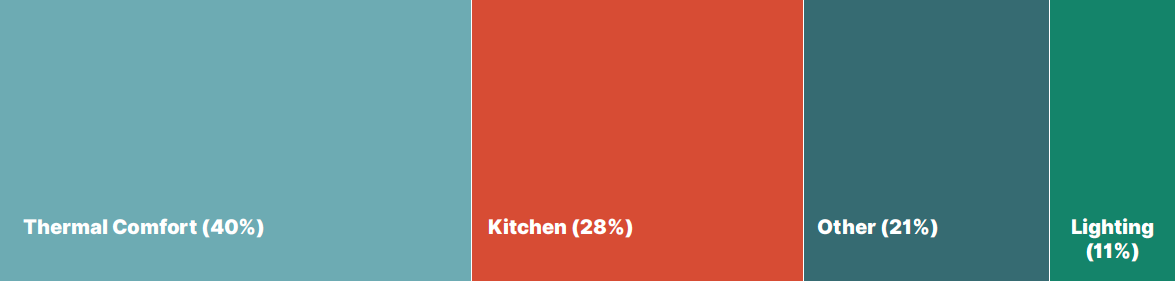
Annual electricity use in surveyed households by end use
- Affordability is a decisive factor in appliance purchases, often outweighing energy efficiency considerations.
- Consumer behavior around energy efficiency is inconsistent. All surveyed households reported using LED lighting, however, only 2% actively considered energy efficiency when purchasing lighting solutions. This contrast highlights the importance of initiatives promoting the adoption of energy-efficient technologies.
By identifying the key factors that influence residential energy use, this study aims to inform the development of effective energy efficiency policies and provide policy recommendations for managing growing demand efficiently. By acting on these insights, India can ensure that its residential sector evolves in a sustainable, energy-efficient, and climate-resilient manner.
2025 CLASP Annual Report
Collective action for people,
prosperity, and planet.
A note from CLASP’s CEO,
Christine Egan
Appliance and equipment energy efficiency is a triple-win for people, planet, and prosperity. In a time of multiplying global crises, it stands out as a durable climate solution and key element of smart decarbonization strategies. It also creates jobs and improves livelihoods, enhances energy security and food system resilience, and helps people adapt to a changing climate.
Looking back at 2025, I’m wowed by the work of CLASP’s global team and dedicated partners, and the focus of the decisionmakers we support. Through purposeful collaboration, we forged the policy instruments, finance, and intelligence to drive positive momentum.
Together, we are changing the way we use energy.

2025 by the numbers:
4.6 Gt 18 CLASP-supported appliance and equipment efficiency policies will avoid 4.6 gigatons of CO2 by 2050, improving planetary and human health and saving money.
30K+ Over 30,000 people experienced improved health and livelihoods via access to efficient, solar powered appliances and equipment.

Skyline of Jakarta, Indonesia
Image credit: CLASP
Elevating Appliance Efficiency in National Climate Commitments
What we did
Ahead of COP30, CLASP led a global campaign to improve inclusion of appliance and equipment energy efficiency in national climate goals (nationally determined contributions or NDCs).
How we did it
Through our Net Zero Appliance NDC Toolkit and bespoke support for governments around the globe, CLASP elevated appliance efficiency policy as a key climate mitigation solution. Now, appliance and equipment efficiency policy is included in 90% of all submitted NDCs—up from below 50% in the last cycle.

Image credit: CLASP
Powering Africa’s Green Economy
Solar-powered appliances and equipment turn energy into opportunity, helping small businesses generate jobs and income. In 2025, CLASP re-launched our innovative Productive Use Financing Facility to make it cheaper and easier for entrepreneurs, farmers, and small businesses in Ethiopia, Kenya, and Nigeria to buy solar-powered appliances and equipment that power livelihoods. Last year, CLASP partnered with 11 companies to drive jobs and economic growth in Africa’s informal and agricultural sectors, which make up 70-80% of African economies.
Slashing Emissions Through Smart Policy
Australia
National leaders passed a lighting policy that will transition Australia’s market to an all-LED future and avoid 41 Mt of CO₂ by 2050, informed by CLASP-led analysis.
Brazil
Policymakers made strides in Brazil’s LED transition with CLASP’s support, approving a lighting policy package that will slash nearly 3 Mt CO₂ by 2050.
China
CLASP supported seven major policy updates, including for compressed air systems, refrigerators, and water pumps. Altogether, the new policies are estimated to cut nearly 3 Gt CO₂ by 2050.
India
CLASP supported the advancement of policies for space cooling appliances that will place India among global leaders in efficiency and cut 1.2 Gt CO₂ by 2050.
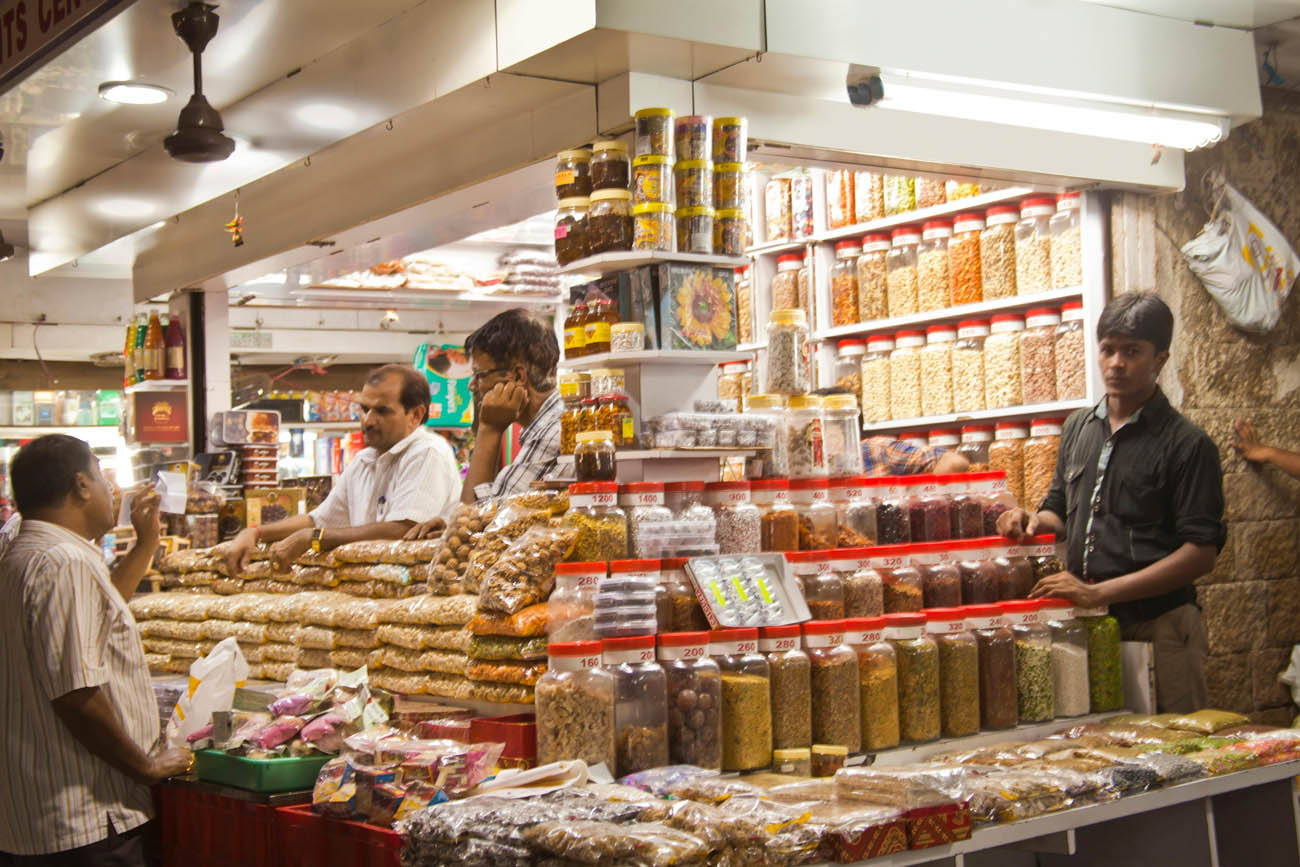
Image credit: ImageDB
Making Efficient, Affordable Fans the New Standard in India
India is one of the places on the planet most at risk of extreme heat. 90% of households rely on fans as their only form of space cooling. CLASP partnered with government and private sector partners to drastically improve fan efficiency, availability, and affordability. A major part of the effort was supporting small and medium enterprises to improve their production capacity.
The impact has been catalytic. Together, CLASP and partners cut energy demand and climate emissions from cooling, while safeguarding jobs, strengthening local supply chains, and making efficient cooling more affordable to the people who need it.
Joining Up with the Modern Energy Cooking Services (MECS) Programme
CLASP joined the UK Aid-supported MECS programme as a core partner alongside Loughborough University and the World Bank’s ESMAP. CLASP now leads on venture building and market shaping, helping e-cooking businesses scale up. In 2025, CLASP launched the Global LEAP Awards Induction Cooktops Competition to identify and promote the most innovative electric cooktops on the market.

CLASP's Sumedha Awasthy & Nya Abagi at the Global LEAP Awards Induction Cooktops Competition workshop in New Delhi, India.
Image credit: CLASP
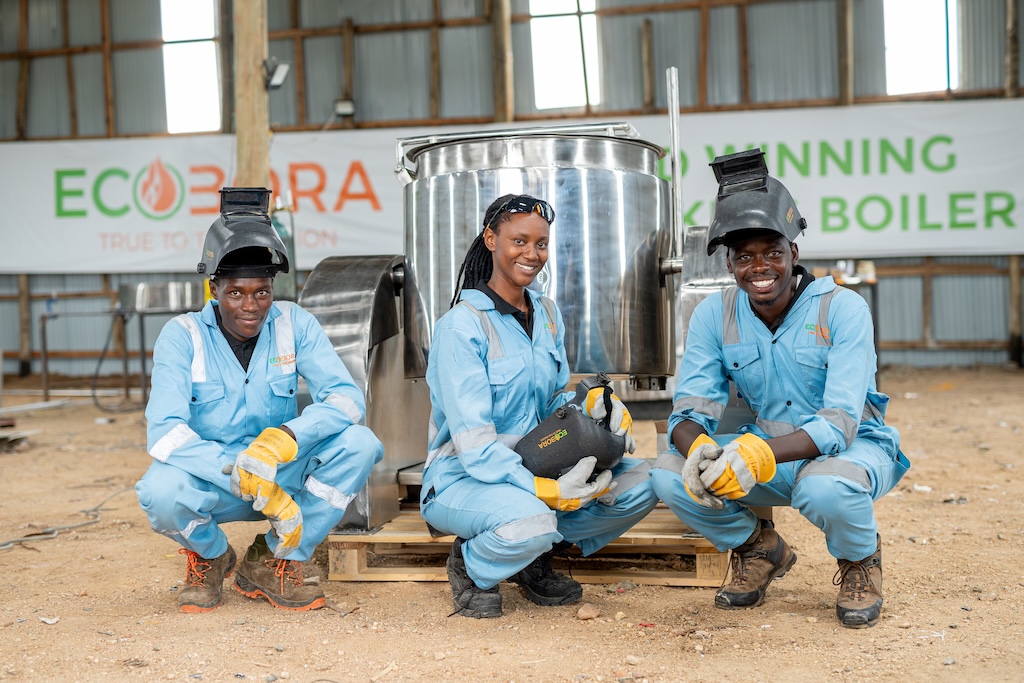
EcoBora, an innovative electric cooking company in Kenya, supported by CLASP through the MECS programme.
Image credit: CLASP
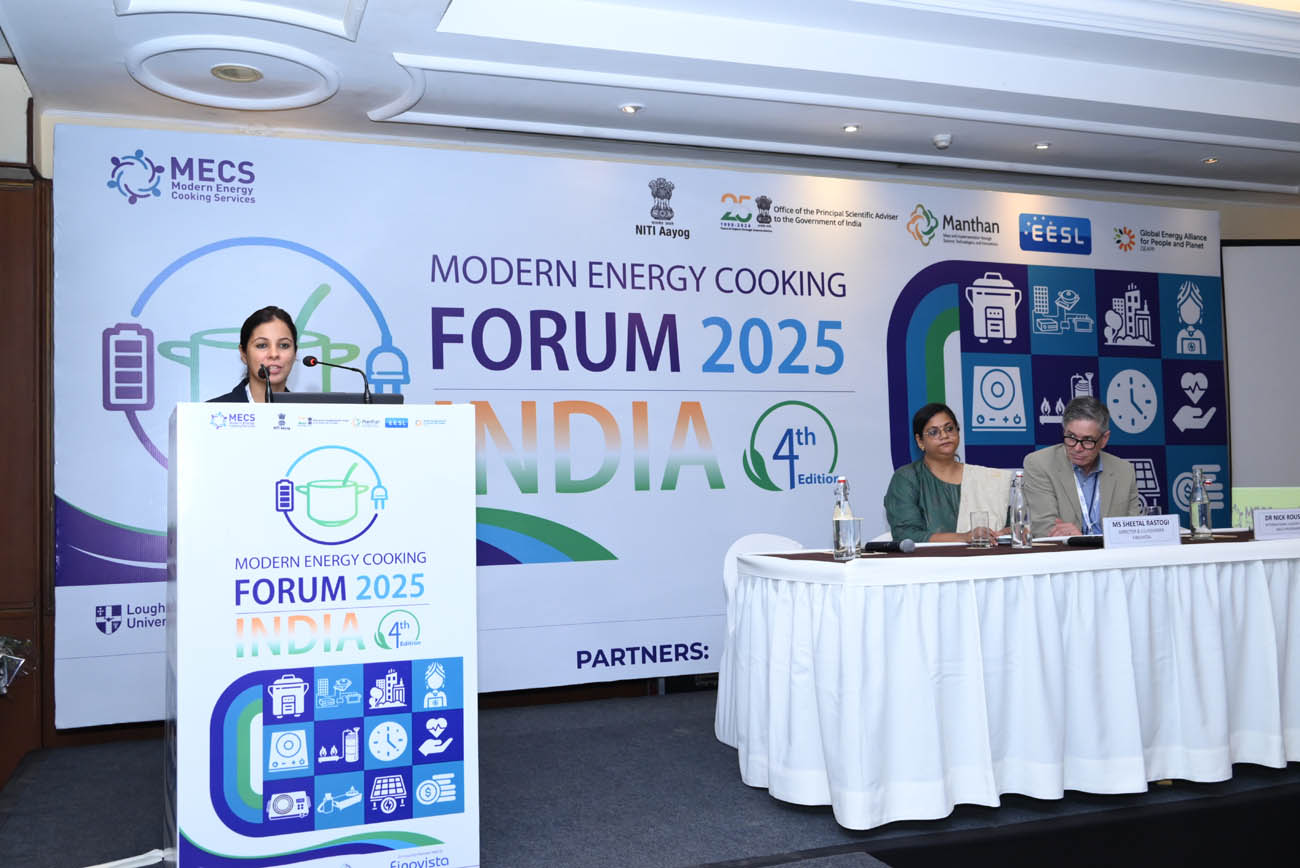
CLASP’s India Director, Neha Dhingra, speaking at the Modern Energy Cooking Forum in New Delhi, India, in September 2025.
Image credit: Finovista
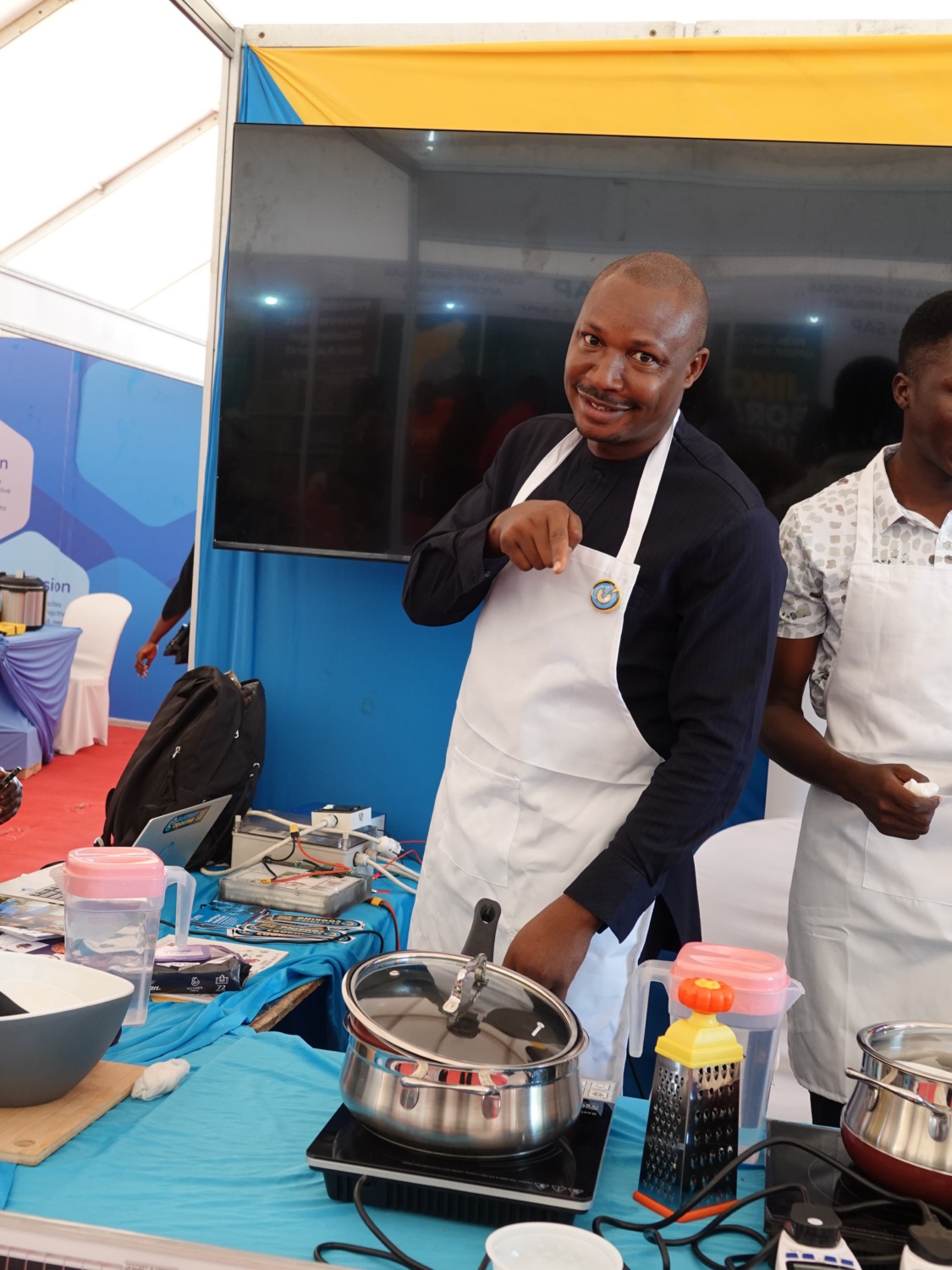
Emmanuel Aziebor, CLASP’s Senior Director, Africa, at Kenya Clean Cooking Week.
Image credit: CLASP
How UK Housing Authorities Can Power the Switch to Electric Cooking
Global Action Plan, in partnership with CLASP, piloted gas-to-electric cooking retrofits in a social housing community in Manchester.
For participating households, switching to electric meant more than lower emissions. It meant breathing more easily in the kitchen, a cleaner and more practical cooking experience, and greater peace of mind for families with young children. Every household preferred its new induction cooktop over gas.
Watch the video:
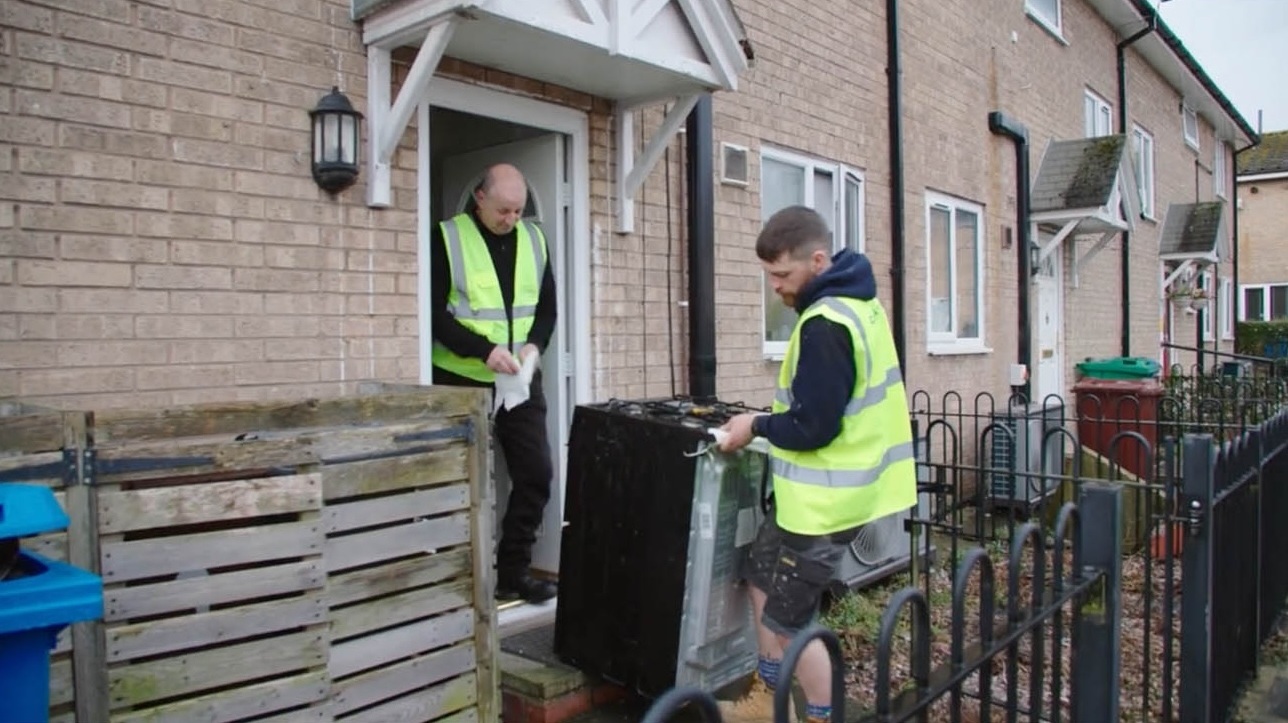
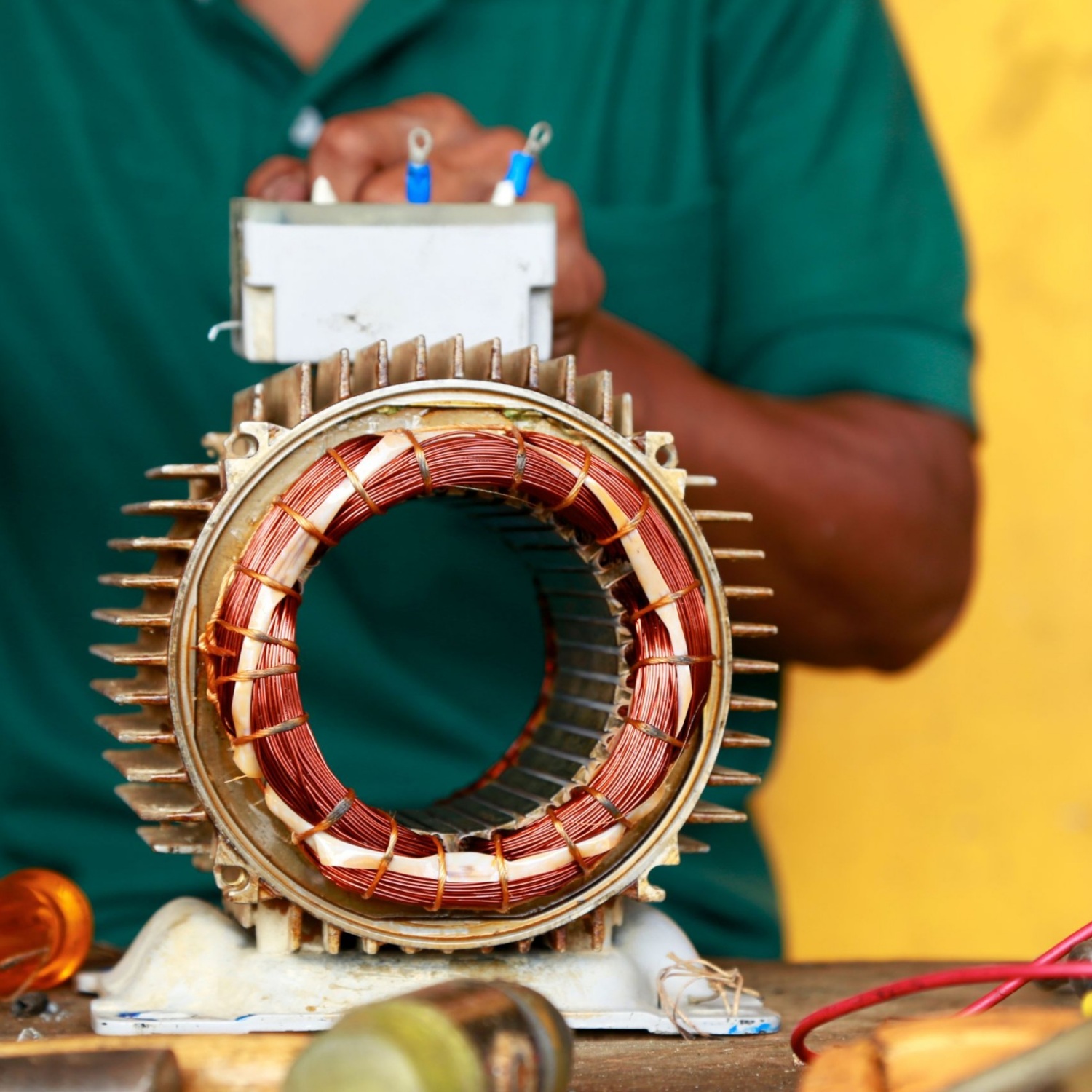
Image credit: CLASP
Economies Can Boom When Powered by Efficient Motor Systems
Industrial motor systems are the invisible heartbeat of economic development. Universally used across industrial facilities, they power the production of goods like metals, paper, cement, textiles, and packaged food. Motor systems are also ferocious energy consumers, due to their function and prevalence. Without intervention, and in step with global economic development and industrialization, by 2050 motor systems will account for 35% of global electricity demand and 19% of energy related emissions. CLASP is taking action on this priority appliance in the fight for Net Zero, identifying high impact opportunities at national and global scales to drive up efficiency, slash emissions, and boost economic progress.

Image credit: CLASP
In Brazil, Partnering for Change
Ahead of COP30 in Brazil, CLASP joined forces with science communication agency Bori to drive national awareness of the benefits of appliance efficiency. Our InfoEnergia Mentorship was an 8-week, in-depth workshop that connected 25 journalists with experts and expertise to produce smart, contextualized reporting on appliance efficiency and its social, economic, and environmental impacts. Robust local journalism is a key element of durable climate policy.
Elevating Appliance-Centered Solutions at COP30
At COP 30 in Brazil, appliance and equipment energy efficiency stood out as a powerful climate solution, driving job creation, energy security, and adaptive capacity. CLASP provided expert testimony on the power of appliance efficiency solutions.
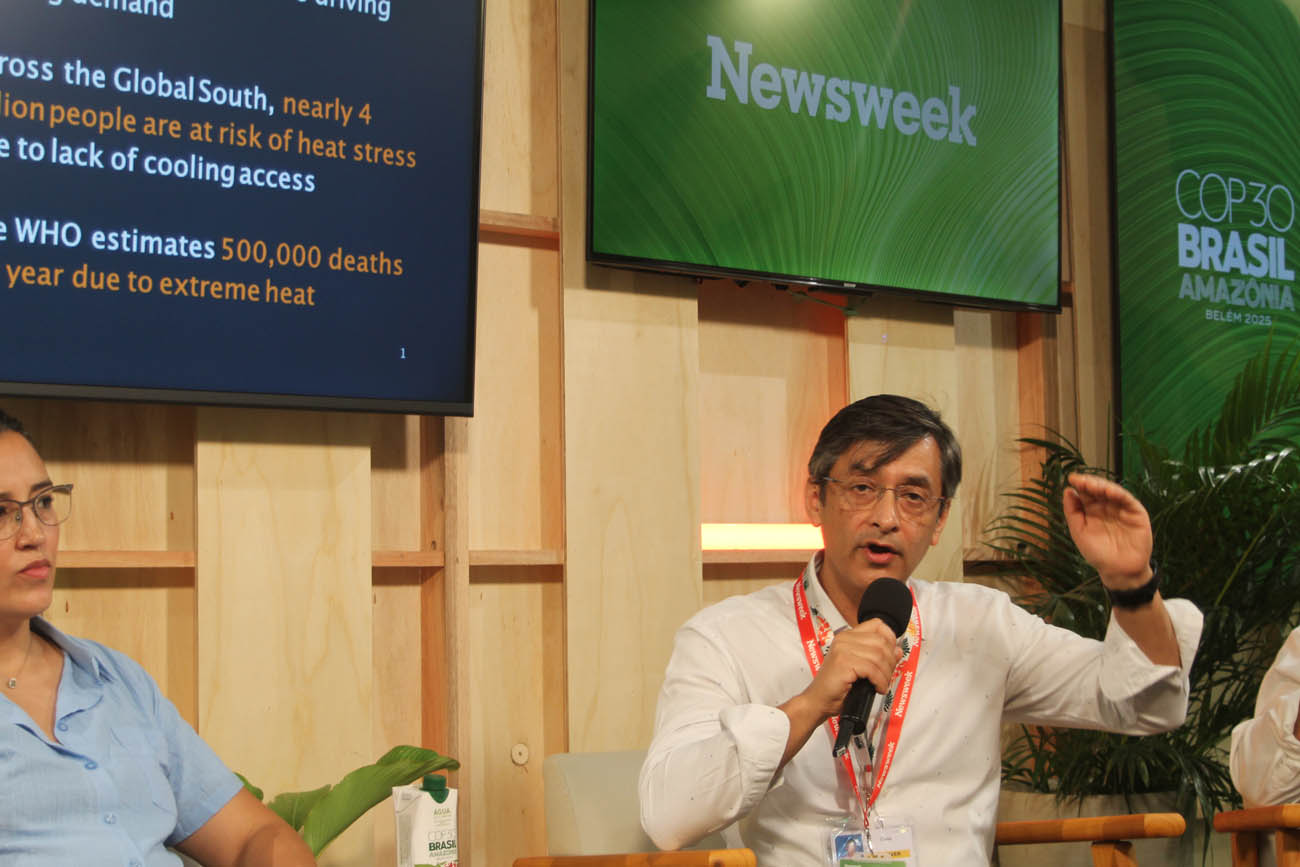
CLASP’s Bishal Thapa participated in discussion on space cooling solutions, offering insights about the benefits of efficient cooling technologies that slash emissions.
Image credit: CLASP

CLASP’s Edilaine Camillo moderated a conversation on the principal role of efficiency in Brazil’s energy transition during an agency-led day of efficiency themed events.
Image credit: CLASP

CLASP’s Bishal Thapa took part in a panel hosted by Casa Civil to speak about the role of energy efficiency policy in Brazil’s reindustrialization strategy.
Image credit: CLASP
Insights driving action
Delivering COP28’s Doubling Efficiency Goal Through Appliances
Appliance efficiency will play a critical role in meeting the COP28 commitment to double the global rate of energy efficiency improvement by 2030. CLASP research found it could deliver 20% of the energy savings needed, highlighting the value of strong standards, clear targets, and international collaboration.
The Missing Piece of Energy Access
666 million people, most of them in Africa, lack access to electricity. 2025 CLASP research shows that directing just 15% of existing energy investments toward efficient appliances can generate the demand needed to make grid expansions financially viable and help those currently living without electricity gain access to healthier, more productive lives.
Finances
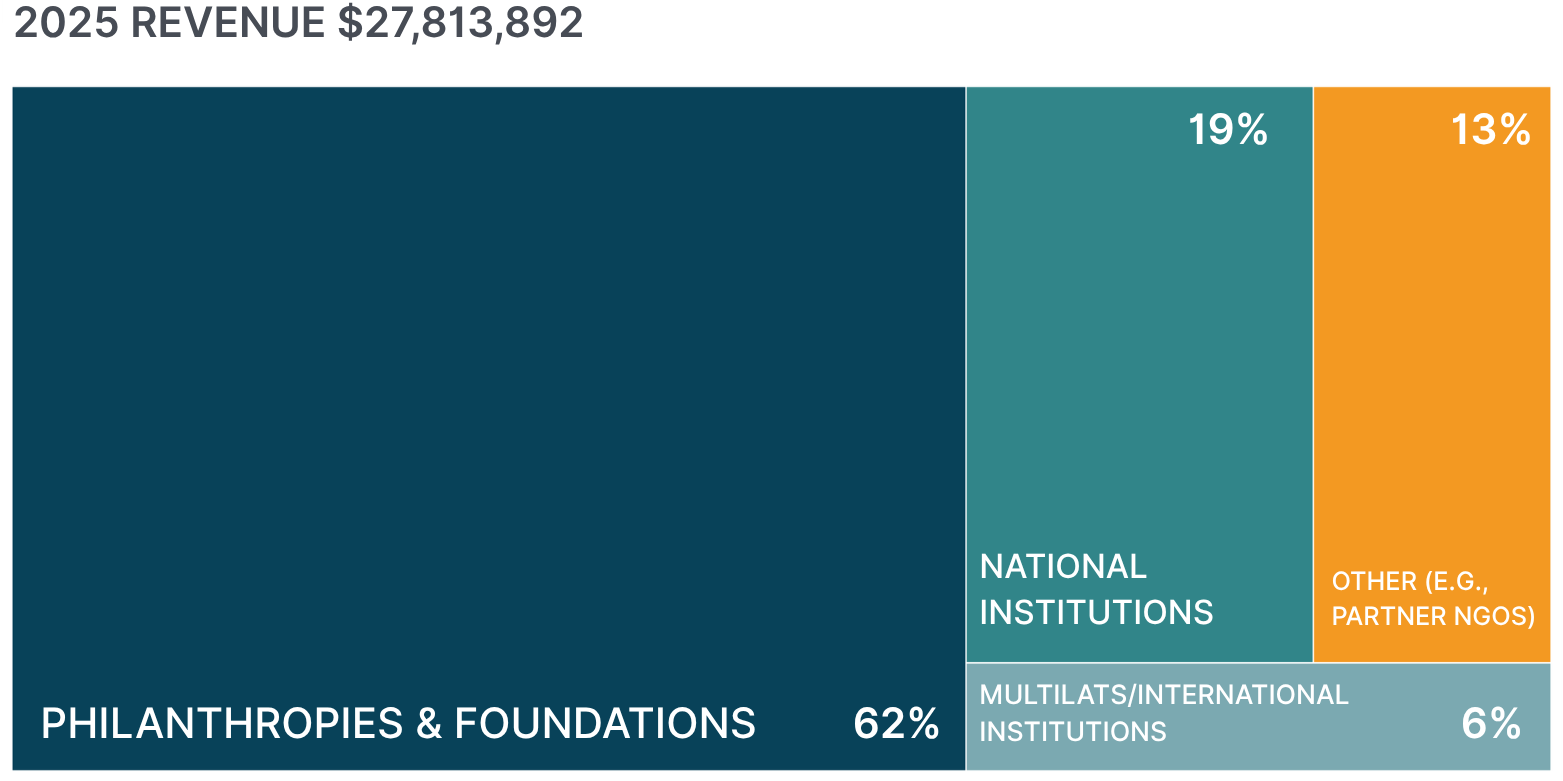
- Revenue by donor type
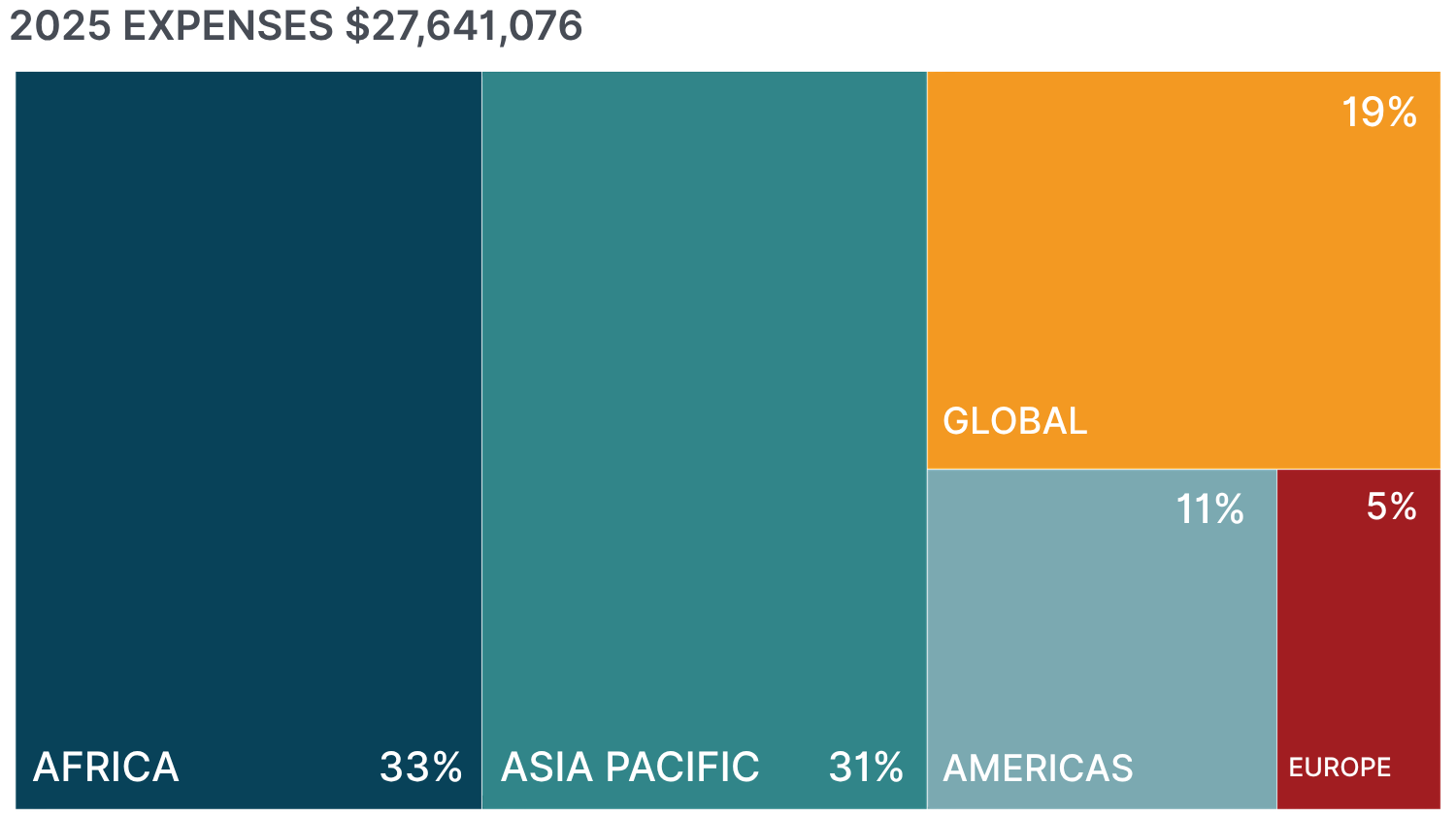
- Expenses by region
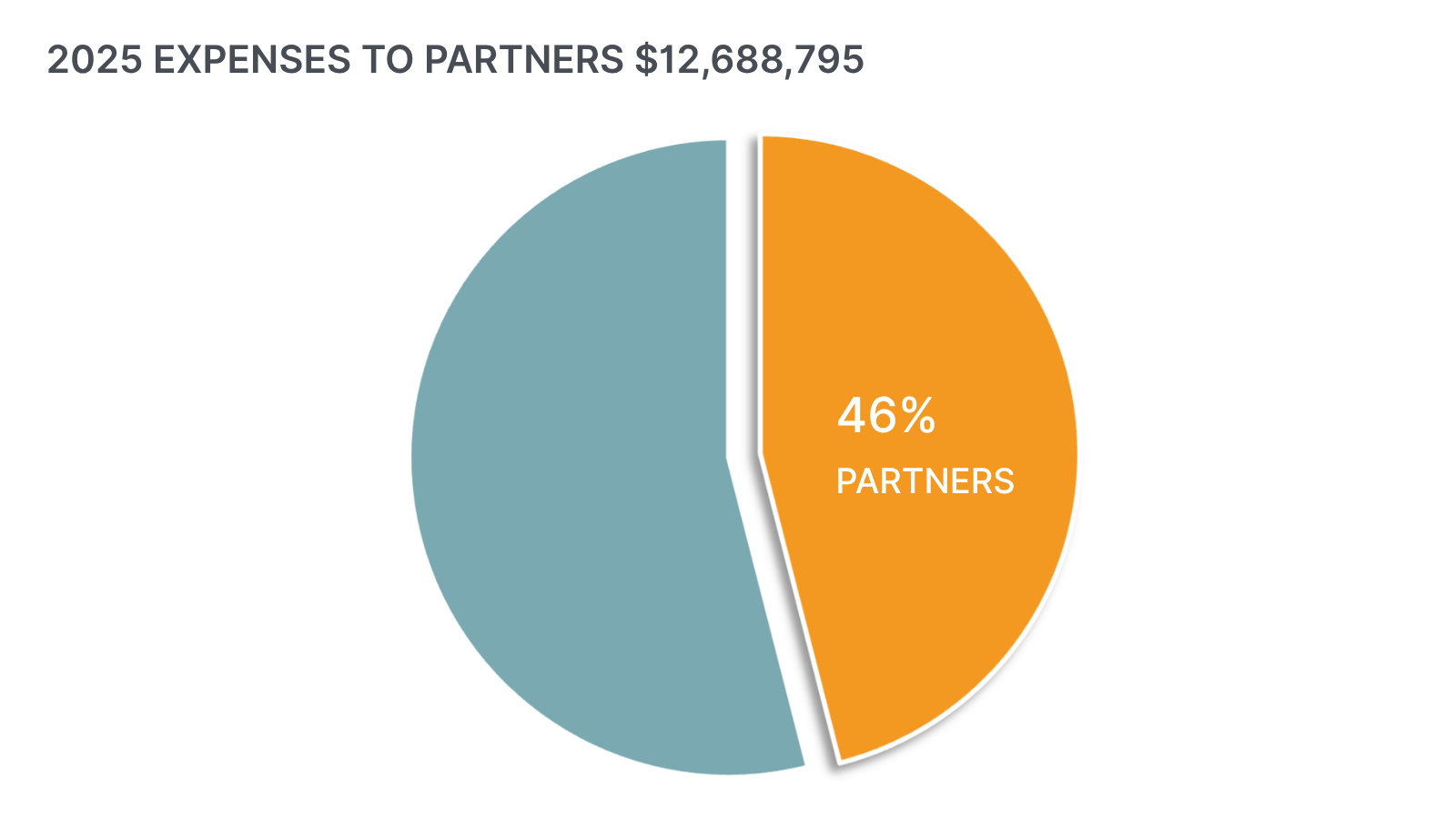
- CLASP collaborates with a global network of partners. In 2025, CLASP channeled nearly half our resources to civil society and energy groups, innovators, academic institutions, and experts — essential partners in changing the way we use energy.
About CLASP
Efficient appliances and equipment are essential drivers of economic growth and a fast, practical energy transition. With over 25 years of expertise and offices on five continents, CLASP collaborates with governments, industry leaders, and other experts to change the way we use energy.
We’re proud of what our team and partners achieved in 2025, driving progress for a better world. In 2026, we remain committed to championing appliance efficiency as a powerful solution for people, prosperity, and planet.
Water Heaters
Improving Appliances, Changing Lives: Pakistan’s Industry Accelerator
CLASP is running an industrial accelerator program in Pakistan to spur innovation and improve appliance efficiency. The program leverages international production and design experts to collaborate with local industry manufacturers to enhance the energy efficiency of water heaters and motors. Improved energy efficiency will reduce demand on the national power grid, reduce energy costs for consumers, and produce less climate emissions.

This Industry Accelerator has two main components: strengthen capacity for testing labs and provide technical support for manufacturers to improve their products to prepare for the upcoming regulations.
The Need for Reliable Testing Laboratories
In Pakistan’s appliance and equipment manufacturing sector, reliable, independent appliance test laboratories are starting to emerge. Test labs support manufacturers in assessing efficiency levels of their appliances, and their presence is crucial to accelerating efficiency, innovation and quality. They will also be essential in measuring the performance of regulated products for compliance once Minimum Energy Performance Standards (MEPS) and labeling regulations are rolled out.
Strengthening Lab Capacity Through Partnerships with Private Sector
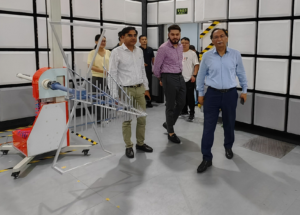
Recognizing the need for both industry-based and independent test laboratories that are able to provide reliable and accurate test results, CLASP facilitated public-private partnerships with major air conditioner and motor manufacturers in Pakistan. CLASP also collaborated major manufacturers to support the capacity building of existing labs such as Centre for Energy Research & Development, Pakistan (CERAD). The training included upskilling the lab technicians’ proficiency in protocols, test methodologies, and enhancing verification process to prove that testing is reliable.
Learning from International Best Practice
CLASP partnered with motor testing expert from Turkish National Standards Institute (TSE) who are working in Pakistan and remotely to help strengthen the capacity of three motors labs at the Information Technology University (ITU), the Gujranwala Institute of Future Technology (GIFT) and CERAD. TSE have provided advice not only on lab equipment set up, but have undertaken extensive testing alongside the Pakistani technical staff to ensure their ability to test products and analyze results according to the IEC testing standards.
To gain insights on producing more efficient water heaters, a delegation of Pakistani manufacturers visited China’s renowned testing lab, the China Household Electric Appliance Research Institute (CHEARI) in Beijing. The manufacturers had an opportunity to enhance their knowledge of test lab equipment, methodologies and processes and learn insights in designing more efficient water heaters. When efficient water heaters are produced in Pakistan they will reduce the fossil fuel demand, strain on national grid, lower emissions and lessen monthly power bills for consumers.
Strengthening the Motor Industry
CLASP also invited motor experts from EMOSAD in Türkiye to visit local counterparts in Pakistan to share insights on how the country transformed from producing low-efficiency motors to building globally competitive, energy-efficient models. Following initial assessment of manufacturer production facilities, the experts have been preparing tailored design and production improvement recommendations for each participant considering their existing capabilities and objectives. The overall goal is to enable all participating manufacturers to have the capacity to produce motors of at least IE1 efficiency levels.
Industry Support Yield Benefits for Manufacturers, Consumers and the Climate
Around the world, manufacturers are recognizing the benefits of producing appliances and equipment that adhere to global standards in energy-efficiency that are also crucial to climate action and sustainable development. The presence of reliable, independent appliance test laboratories and technical assistance to participating manufacturers are the first steps towards building thriving motor and water heater industries in Pakistan. This will benefit the climate, the economy and consumers.
CLASP would like to thank the following companies who are a key part of the Pakistan Industry Accelerator program: AC and Motor Test Laboratories at CERAD, ITU and GIFT; the Punjab Energy Department (PEECA); Haier, ABB, Dawlence; the Pakistan Council of Scientific and Industrial Research (PCSIR); the Turkish National Standards Institute (TSE); the Turkish Motor Manufacturer’s Association (EMOSAD); the Pakistan Pumps and Motor Manufacturers Association (PPEMMA); the China Household Electric Appliance Research Institute (CHEARI); and the participating manufacturers Canon, Super Asia, Waves, Golden Fuji, Fisher, Golden Dynamics, El-Khas, Sunrise and Shahzad Pump.
Net Zero Heroes: Scaling Efficient Appliances for Climate Change Mitigation, Adaptation & Resilience
Efficient appliances, lighting, and equipment are critical climate solutions, situated at the nexus of mitigation, adaptation, and sustainable development.
However, not enough is being done to maximize their benefits. In this report, CLASP lays out actions that must be taken by 2030 to put the world on a pathway to net zero emissions and enable a just energy transition. Our research identifies the ten appliances most vital to meeting global climate mitigation targets and improving people’s lives: the Net Zero Heroes.
Visit the Net Zero Heroes site to read and download the report.
Preliminary Analysis Conducted by CLASP and Waide Strategic Efficiency Informs Water Heater Benchmarking
In most economies, water heating appliances are some of the most energy-consuming, and typically account for 15% to 25% of energy in the residential sector. Globally, heating water in the residential sector may use as much as 11 petajoules per year.
CLASP conducts product and policy benchmarking studies to inform policymakers about opportunities to raise the ambition of national policies in order to maximize energy savings and CO2 emissions reductions. Benchmarking policies and products is challenging due to incomparability of products and standards in different parts of the world, different approaches to performance testing, and lack of or unavailability of critical data.
Particularly, water heaters are one of the most complex product categories due to a large variety of product types, technologies, and fuels used for heating water. Traditionally, energy efficiency standards and labels have set performance requirements for water heaters by type (e.g., storage electric water heater, gas instantaneous water heater, etc.), thus inhibiting the comparison across water heater technology classes.
To address this challenge, CLASP and Waide Strategic Efficiency conducted a preliminary analysis on water heaters to identify future research needs that will lead to the successful benchmarking of policy settings for this product category, and will thereby support policymakers in better understanding their options to improve water heater energy efficiency.
The study provides an overview of various water heating technologies, test methods, and energy efficiency of residential water heaters in eight economies, including in Australia, Brazil, Canada, China, European Union, India, Korea, and the US.
The study is divided into the following three main components:
Task 1 – product definition
- Definition of relevant product classes or categories, discussed in section 2
- Listing and assessment of country data sources i.e. a listing of test procedures and regulations, presented in sections 3-10 by economy.
Task 2 – mapping
- Mapping of product characteristics in selected countries, presented in section 11
- Mapping of existing standards and labelling initiatives and a description of their characteristics, presented in section 12
- Identification and initial comparison of test procedures, presented in section 13.
Task 3 – benchmarking
- Identification of potential issues in test results comparison that would need to be addressed in a full benchmarking study, presented in section 14
- Analysis of knowledge gaps that need to be addressed in a full benchmarking study, discussed in section 15.
APEC-CAST: Heat Pump Water Heaters – Potential for Harmonization of International Test Standards
The heat pump is one of the most energy efficient technologies for heating water for household use. Energy efficiency is a key point in product advertising and marketing, and important for the policymakers who manage energy labelling and minimum energy performance standards (MEPS) programs.
ASAP and ACEEE Report Indicates U.S. Efficiency Standards for Appliances Will Save Consumers $1.1 Trillion by 2035
The Appliance Standards Awareness Project (ASAP) and American Council for an Energy-Efficient Economy (ACEEE) released a report: The Efficiency Boom: Cashing In on the Savings from Appliance Standards. The Efficiency Boom is a series of analyses assessing the impact of existing standards and energy savings potential for new and revised appliance standards in the U.S.
Based on the report, national efficiency standards for appliances, lighting, and other equipment will save consumers and businesses more than $1.1 trillion and dramatically reduce greenhouse gas pollution and other emissions by 2035.

Additionally, this report evaluates potential new or updated standards for 34 product categories that could be adopted within the next four years, all of which are technologically and economically feasible, and many of which are already being considered for regulation or revision by the U.S. Department of Energy. Products with the biggest potential additional energy savings include electric water heaters, reflector light bulbs, distribution transformers, electric motors, and computers. The largest net economic savings would come from new clothes washer and outdoor lighting standards.
For more details, please see the files available for download below.
Access files:
U.S. FTC Fines Online Retailers for Failing to Post EnergyGuide Information for Appliances
Three online retailers have agreed to pay more than $400,000 in total penalties to settle U.S. Federal Trade Commission (FTC) charges that they failed to post EnergyGuide information on their websites to inform consumers about the energy use of major home appliances they sell. The agency also notified two other online sellers that it will seek a total of $640,000 in fines from them.
According to the FTC, the online appliance retailers knowingly violated the FTC’s Appliance Labeling Rule, which requires them to provide EnergyGuide information for certain products such as refrigerators, freezers, dishwashers, air conditioners, water heaters, and washing machines. The information estimates the annual cost to operate the appliance.
“Companies selling appliances covered by the FTC’s rules, either online or in stores, have an obligation to provide EnergyGuide labels,” said David Vladeck, Director of the Bureau of Consumer Protection. “The information on the labels helps shoppers make smart buying decisions that take into account energy use.”
 The civil penalty cases are the first the agency has brought against online retailers for Appliance Labeling Rule violations.
The FTC used its authority under the Energy Policy and Conservation Act (EPCA) to assess civil penalties for knowing violations of the Appliance Labeling Rule against five online retailers, which also operate brick-and-mortar stores in New York, New Jersey, Connecticut, Illinois, and California. Three of those companies have settled with the agency and agreed to pay the following amounts: P.C. Richard & Son, Inc., $180,000; Abt Electronics, Inc., $137,500; and Pinnacle Marketing Group, Corp., $100,000. Two other companies, Universal Computers and Electronics, Inc. and Universal Appliances, Kitchens, and Baths, Inc., have not agreed to settle the FTC charges.
Before the FTC may assess civil penalties under the EPCA, it must notify the non-settling companies of the proposed penalty amounts. The companies can then choose to pay the proposed penalty or be sued by the FTC in an administrative proceeding. The FTC has proposed penalties of $540,000 against Universal Computers and Electronics, Inc. and $100,000 against Universal Appliances, Kitchens, and Baths, Inc.
The administrative complaints and consent orders announced today were issued against:
- P.C. Richard & Son, Inc and P.C. Richard & Son, LLC, doing businesses as (d/b/a) Pcrichard.com, based in Farmingdale, New York;
- Abt Electronics, Inc., d/b/a abt.com, based in Glenview, Illinois; and
- Pinnacle Marketing Group, Corp., d/b/a homeeverything.com, based in Brooklyn, New York.
The notices of proposed civil penalties announced today were issued against:
- Universal Computers and Electronics, Inc., d/b/a appliancebestbuys.com, based in Jamaica, New York; and
- Universal Appliances, Kitchens, and Baths, Inc., d/b/a universal-akb.com, based in Studio City, California.
The Commission vote approving the three complaints and consent orders and two notices of proposed civil penalties was 5-0 in each case.
Notes:
- The Commission authorizes the filing of a complaint when it has “reason to believe” that the law has or is being violated, and it appears to the Commission that a proceeding is in the public interest. A complaint is not a finding or ruling that the defendants have actually violated the law. A consent agreement is for settlement purposes only and does not constitute an admission of a law violation. When the Commission issues a consent order on a final basis, it carries the force of law.
- Before the Commission may issue an order assessing a civil penalty under the Energy Policy and Conservation Act or its Appliance Labeling Rule against any person, the Commission is required to provide such person with notice of the proposed penalty and the alleged violation. Such a notice is not a finding or ruling that the person has actually violated the law.
For more information:
Copies of the documents mentioned in this release are available on the FTC’s website. The Federal Trade Commission works for consumers to prevent fraudulent, deceptive, and unfair business practices and to provide information to help spot, stop, and avoid them. To file a complaint in English or Spanish, visit the FTC’s online Complaint Assistant or call 1-877-FTC-HELP (1-877-382-4357). The FTC enters complaints into Consumer Sentinel, a secure, online database available to more than 1,800 civil and criminal law enforcement agencies in the U.S. and abroad. The FTC’s website provides free information on a variety of consumer topics.
(FTC File Nos. 102-3041, Home Everything; 102-3040, Appliance Best Buys; 102-3038, ABT Electronics; 102-3039, PC Richard; and 102-3042, Universal Appliances, Kitchens, and Baths)
This article is taken from the Federal Trade Commission.
Life-Cycle Cost Analysis of Energy Efficiency Design Options for Residential Furnaces and Boilers
The Life-Cycle Cost (LCC) calculated in this analysis expresses the costs of installing and operating a furnace or boiler for its lifetime starting in the year 2012—the year a new standard would take effect. The analysis also calculated the payback period (PBP) for energy-efficiency design options. The PBP represents the number of years of operation required to pay for the increased efficiency features. It is the change in purchase expense due to an increased efficiency standard divided by the change in annual operating cost that results from increased efficiency.
Abstract
In 2001, the U.S. Department of Energy (DOE) initiated a rulemaking process to consider whether to amend the existing energy efficiency standards for furnaces and boilers. A key factor in DOE’s consideration of new standards is the economic impacts on consumers of possible revisions to energy-efficiency standards. Determining cost-effectiveness requires an appropriate comparison of the additional first cost of energy efficiency design options with the savings in operating costs. DOE’s preferred approach involves comparing the total life-cycle cost (LCC) of owning and operating a more efficient appliance with the LCC for a baseline design. This study describes the method used to conduct the LCC analysis and presents the estimated change in LCC associated with more energy-efficient equipment. The results indicate that efficiency improvement relative to the baseline design can reduce the LCC in each of the product classes considered.
Authors: James Lutz, Alex Lekov, Camilla Dunham Whitehead, Peter Chan, Steve Meyers, and James McMahon
Information from: Lawrence Berkeley National Laboratory (LBNL)