
Bridging the Cooling Gap: Energy Efficiency as a Driver for Appliance Access
This research is posted preprint and will be published in the EEDAL’24 Book of Proceedings.
Energy efficient cooling appliances play a critical role in addressing climate resilience and cooling equity. This new research investigates how doubling the energy efficiency of cooling technologies globally can reduce lifecycle costs, expand appliance access, and limit energy demand growth. It focuses on three high-impact, low-access countries: India, Indonesia, and Nigeria and evaluates the impact of efficiency improvements on affordability, ownership, and climate adaptation, offering critical insights into policies needed to close access gaps and achieve net zero goals.
Key Findings
Doubling the efficiency of fans, refrigerators, and room air conditioners globally by 2030 could unlock great benefits. By 2050, in the three countries studied, this could:
- Drive down the total cost of ownership by 60% for room air conditioners and refrigerators and 58% for fans
- Deliver $105 billion USD in annual net consumer benefits in 2050
- Expand access by an additional 4-13 percentage points
- Avoid more than 420,000 premature deaths
- Limit the total energy consumed by these appliances to about half of what it would be otherwise
Recommendations
To realize these benefits, governments and other market actors must:
- Increase research and development funding, financing and financial incentives, bulk procurement schemes, awards, and informational tools to drive market uptake of efficient appliances
- Implement innovative financing schemes to reduce upfront costs
- Reduce tariffs to make efficient appliances more affordable locally
- Expand decentralized energy solutions, like solar home systems and mini-grids to help rural, low-income communities access energy services more readily
How National Appliance and Equipment Energy Conservation Standards Can Improve Public Health in the US
Gain insight into the critical role of national appliance standards in improving public health and discover how to measure their impact against Justice40 goals. Find actionable recommendations for maximizing their benefits for a healthier, greener, and fairer future.
Key findings
- National appliance standards have led to significant reductions in PM2.5 and PM2.5 precursor emissions, avoiding hundreds of thousands of tons of pollutants in 2017.
- These standards prevented between 1,900 and 4,400 PM2.5-related deaths in 2017, translating to monetary benefits of $18 to $41 billion.
- Health benefits from national appliance standards have been distributed relatively equitably. Communities designated as disadvantaged by Justice40, representing 33% of the total population, have received 36% of the health benefits.
Recommendations
- The US Department of Energy must meet legal deadlines for updating appliance efficiency standards to maximize public health benefits.
- Governments should expand outreach and incentives to promote efficient appliance adoption, prioritizing disadvantaged communities, renters, and low-income households.
- Engage disadvantaged communities and people of color in all stages of policy development and implementation.
___________________________________________________________________________________________
Additional Resources:
Driving Sustainable Building Practices: CLASP’s Impact in Indonesia
Opportunity for change
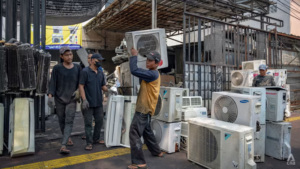
Accounting for a whopping 70% of the nation’s electricity usage, Indonesia’s building sector is poised for change. Recognizing the opportunity to enhance energy efficiency in buildings, CLASP has spearheaded initiatives to promote more sustainable building practices, particularly with energy-efficient cooling systems.
CLASP supported the establishment of the Minimum Energy Performance Standards (MEPS) for lighting and air conditioning systems. This regulation encourages building owners to adopt energy-efficient cooling solutions, reducing demand on the national power grid, and lowering energy costs for consumers. Energy audits recommended by CLASP also identify inefficiencies and allow for their rectification.
Efficiency creates energy savings and emission reduction
At a recent National Seminar on Decarbonization of the Building Sector, CLASP, ASHRAE Indonesia Chapter and the Ministry of Energy and Mineral Resources (MEMR), brought together industry experts to highlight the critical role of energy-efficient equipment, especially chillers. Chillers account for up to 60% of a building’s energy use, making it a significant opportunity for energy savings and emissions reduction.
Sripeni Inten Cahyani, expert to the MEMR Minister, noted that by embracing energy-efficient appliances and adhering to Minimum Energy Performance Standards (SKEM or MEPS), Indonesia aims to achieve a substantial 83.8 million tons reduction in CO2 emissions by 2030.
Efficiency also yields economic benefits
Sripeni noted potential annual savings of approximately IDR 1.9 trillion (USD 121 million) through the implementation of energy management practices, equivalent to 111,600 tons of oil saved per year.
CLASP’s advocacy and collaborative efforts support the drive for sustainable development in Indonesia’s building sector. By promoting energy-efficient cooling solutions and supporting the implementation of improved standards, CLASP contributes to a more sustainable, more resilient future for Indonesia and the world’s climate.
Image credits: CNA/Danang Wisanggeni
CLASP Supports Pakistan Government’s Efforts with Cooling Needs Assessment
Pakistan faces one of the highest cooling demands globally, ranking fifth in a recent study1. Despite this, access to cooling remains low, leaving a significant portion of the population vulnerable to heat-related risks. In response to this challenge, CLASP and local partner SAMA^Verte have collaborated with the Pakistan Ministry of Climate Change and Environmental Coordination to conduct a comprehensive Cooling Needs Assessment (CNA) to inform strategic initiatives, and serve as a foundation for a Pakistan Cooling Action Plan (PCAP).
The CNA analyzed the current state of cooling demand and notes that, while temperatures are rising, many households lack access to adequate space cooling and refrigeration. Although nearly all households have at least one electric fan, only 11% of households own an air conditioner, while 55% refrigerator ownership and limited use of cold chain technology create food safety and waste issues. Additionally, barriers such as access to a steady electricity supply and the affordability of cooling appliances hinder widespread adoption, particularly for the 26% of the population not connected to the grid.
The CNA provides insights into the existing policy landscape, current cooling demand, and future projections under different policy scenarios, which were used to guide the selection of priority interventions for the PCAP. A comprehensive assessment focused on key cooling appliances – domestic and commercial refrigeration, domestic air conditioning and electric comfort fans – with largest potential for energy consumption and emissions reduction. The data was gathered though extensive consultative processes. The main CNA results include:
- In a Business-As-Usual scenario, indirect emissions from the priority cooling appliances are responsible for 86% of the total emissions, with direct emissions from the refrigerants accounting for only 14%.
- Of the indirect emissions, the emissions resulting from the use of fans are the highest at 54% of the total, but fans also offer the greatest potential for reducing energy consumption and emissions.
- Without policy intervention, between 2024-2030, Pakistan’s cumulative energy consumption and indirect CO2 emissions from the priority cooling appliances are projected to reach 695.4 TWh and 326.8 megatons (Mt) respectively.
As Pakistan continues its journey towards becoming the world’s 20th largest economy by 2030, the PCAP will play a crucial role in ensuring sustainable and efficient cooling, aligning with the country’s development and climate ambitions. Increasing access to affordable, efficient cooling will ease the strain on national power grids and reduce consumers’ energy bills.
Building on the analysis in the CNA, the PCAP details concrete interventions to effectively manage the projected growth in cooling demand associated emissions, and reduce the cooling access gap. The PCAP has been finalized and is currently in the process of approval by the government of Pakistan.
The developments of CNA and PCAP were funded by Clean Cooling Collaborative.
Download the full Cooling Needs Assessment report here.
0. This is the product of population and Cooling Degree Days (CDDs) per year (230M x 2,810 CDDs). The Person CDDs methodology has been described by the US Department of Energy in The Future of Air Conditioning For Buildings (2016), which uses the 2016 population figure of 182M. This has been updated using population of 230M in 2022. The 646-billion-person CDDs still ranks Pakistan in 5th place behind India, China, Indonesia and Nigeria.
Improving Public Health & Advancing Equity Goals with Appliance Energy Efficiency Standards
Federal energy efficiency standards for appliances and equipment lead to cleaner air, creating health benefits. By conserving energy, standards reduce both indirect emissions (from power plants) and direct emissions (from fossil fuel appliances). This decreases human exposure to fine particulate matter (PM2.5) pollution, a harmful form of particle pollution capable of entering the lungs and bloodstream and contributing to increased incidences of respiratory and cardiovascular health complications.
This factsheet summarizes the key findings from a recent report that estimates the distribution of public health benefits in disadvantaged communities in the United States. Specifically, it estimates the reductions in PM2.5-related deaths that can be attributed to standards adopted over a 30-year period and explores how standards can contribute to Justice40 Initiative goals.
0. This is the product of population and Cooling Degree Days (CDDs) per year (230M x 2,810 CDDs). The Person CDDs methodology has been described by the US Department of Energy in The Future of Air Conditioning For Buildings (2016), which uses the 2016 population figure of 182M. This has been updated using population of 230M in 2022. The 646-billion-person CDDs still ranks Pakistan in 5th place behind India, China, Indonesia and Nigeria.
Addressing Climate Comfort in China
 China’s recent exposure to extreme weather has heightened the demand for indoor comfort, with an estimated 39% of the population relying on ACs as their main heating source during winters. However, a pressing issue looms as 85% of the ACs in the Chinese market come equipped with an energy-inefficient auxiliary heating system. The lack of proper regulation in the current Minimum Energy Performance Standards (MEPS) allows manufacturers to opt for low-cost, energy-consuming auxiliary heating systems. This results in higher electricity bills for consumers who remain unaware of the system’s inefficiency due to inadequate disclosure requirements in MEPS and energy labels.2
CLASP and experts from Beijing University of Technology to researching and testing potential new standards focused on auxiliary heating.
The upgraded energy policies for ACs could lower energy bills for 550 million people in China.
Regulations for People and Planet
Steven Zeng, Director – China Program at CLASP, emphasizes the benefits of regulating auxiliary heating. He notes that informed consumer choices will reduce unnecessary costs, while manufactures will be incentivized to develop more efficient systems or adopt more advanced energy-saving technologies. Drawing on global examples of manufacturers phasing out auxiliary systems, Zeng asserts that China has the potential to follow suit.
Charting a Greener, More Comfortable Future
CLASP plans to conduct feasibility and methodological studies to identify alternative technical solutions, eliminating or restricting the operation of auxiliary heating heating systems in the AC units to consume less energy. Subsequently, CLASP will suggest a revision of Chinese MEPS and energy labels to align with EU standards, ensuring compatibility and transparent communication of energy efficiency information to consumers.
Professor Hongqi Li from Beijing University of Technology, a cooling and heating expert, underscores the significance of the collaborative study with CLASP in providing evidence for auxiliary heating’s impact on the energy efficiency of ACs. He anticipates that the research will lay a crucial foundation for future MEPS revisions
Led by Dr. Hongqi Li and his team, this joint effort between CLASP and from the Beijing University of Technology signifies a concerted push towards a more energy-efficient future for ACs in China.
0. This is the product of population and Cooling Degree Days (CDDs) per year (230M x 2,810 CDDs). The Person CDDs methodology has been described by the US Department of Energy in The Future of Air Conditioning For Buildings (2016), which uses the 2016 population figure of 182M. This has been updated using population of 230M in 2022. The 646-billion-person CDDs still ranks Pakistan in 5th place behind India, China, Indonesia and Nigeria.
1. Conference paper: Impact of the Auxiliary Electrical Heating on Energy Efficiency of Room Air Conditioners and Opportunity for Policy Improvement in China, CLASP
Net Zero Heroes: Scaling Efficient Appliances for Climate Change Mitigation, Adaptation & Resilience
Efficient appliances, lighting, and equipment are critical climate solutions, situated at the nexus of mitigation, adaptation, and sustainable development.
However, not enough is being done to maximize their benefits. In this report, CLASP lays out actions that must be taken by 2030 to put the world on a pathway to net zero emissions and enable a just energy transition. Our research identifies the ten appliances most vital to meeting global climate mitigation targets and improving people’s lives: the Net Zero Heroes.
Visit the Net Zero Heroes site to read and download the report.
0. This is the product of population and Cooling Degree Days (CDDs) per year (230M x 2,810 CDDs). The Person CDDs methodology has been described by the US Department of Energy in The Future of Air Conditioning For Buildings (2016), which uses the 2016 population figure of 182M. This has been updated using population of 230M in 2022. The 646-billion-person CDDs still ranks Pakistan in 5th place behind India, China, Indonesia and Nigeria.
1. Conference paper: Impact of the Auxiliary Electrical Heating on Energy Efficiency of Room Air Conditioners and Opportunity for Policy Improvement in China, CLASP
Getting Appliances Back on Track: Assessing Progress Towards Global Energy Efficiency Commitments
At the United Nations Framework Convention on Climate Change (UNFCCC) 26th Conference of the Parties (COP26) in 2021 in Glasgow, Scotland, 15 countries signed onto the Super-efficient Appliance and Equipment Deployment (SEAD) Initiative Appliance Efficiency Call to Action—estimated to be the largest energy efficiency commitment ever. The 15 signatories pledged to double the energy efficiency of four priority product categories by 2030: air conditioners (ACs), lighting, electric motors, and refrigerators, which collectively account for more than 40% of global electricity consumption.
“Getting Appliances Back on Track: Assessing Global Efficiency Progress,” evaluates economies’ progress toward the goal of doubling product efficiency, including the 15 signatories plus four top-emitting economies. The report also provides insight into the leading policy levers for accelerating appliance efficiency efforts – including examples of effective implementation of key interventions like minimum energy performance standards (MEPS) and appliance energy labeling.
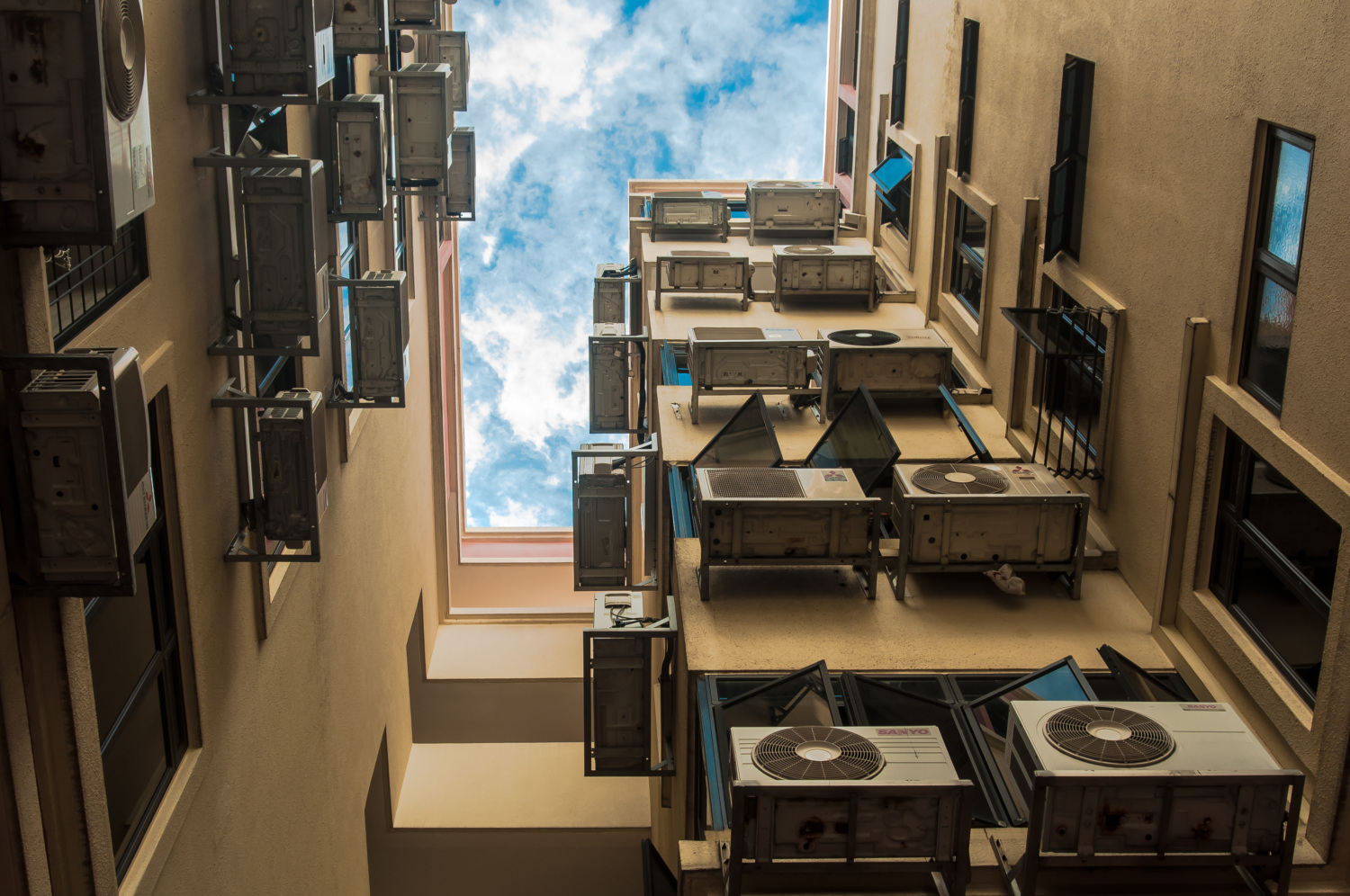
15 signatories pledged to double the energy efficiency of four priority product categories by 2030: air conditioners (ACs), lighting, electric motors, and refrigerators, which collectively account for more than 40% of global electricity consumption.
“Getting Appliances Back on Track” offers valuable analysis to economies already committed to prioritizing appliance energy efficiency, and illustrates a path toward success for governments interested in joining as a Call to Action signatory.
This report continues analysis from World’s Best MEPS, which provided a snapshot of the stringency of minimum energy performance standards (MEPS) for key products across top-emitting economies.
“Getting Appliances Back on Track” is the first publication of CLASP’s #NetZeroHeroes COP28 digital campaign, which will shine a light on the critical role of appliance energy efficiency in the lead-up to climate discussions at COP28.
0. This is the product of population and Cooling Degree Days (CDDs) per year (230M x 2,810 CDDs). The Person CDDs methodology has been described by the US Department of Energy in The Future of Air Conditioning For Buildings (2016), which uses the 2016 population figure of 182M. This has been updated using population of 230M in 2022. The 646-billion-person CDDs still ranks Pakistan in 5th place behind India, China, Indonesia and Nigeria.
1. Conference paper: Impact of the Auxiliary Electrical Heating on Energy Efficiency of Room Air Conditioners and Opportunity for Policy Improvement in China, CLASP
2023 Tech Trends in Energy Access
Building upon the insights presented in Efficiency for Access’ 2021 Solar Appliance Technology Briefs, this Tech Trends series provides a window into the rapidly evolving appliances markets. This series synthesizes technical, impact and market research done by Efficiency for Access and partners into a digestible snapshot. It offers valuable insights into emerging trends and opportunities across various off-grid appropriate appliances that are most relevant to catalyzing energy access and achieving the Sustainable Development Goals, along with a focus on identifying critical areas that require attention, complemented by specific recommendations.
The technologies covered in this series encompass:
- Electric cooking (e-cooking)
- Fans
- Refrigerators
- Solar mills
- Solar water pumps
- Walk-in cold rooms
We will be releasing the appliance market summaries successively over the next few months.
This comprehensive series aims to inform future strategies of industry stakeholders, providing a clear understanding of the market’s trajectory. It serves as a valuable, quick-read resource for a diverse audience, ranging from interested donors and newcomers to the appliance sector to seasoned industry players seeking a convenient reference for sharing with their respective networks.
Download the 2023 Tech Trends in Energy Access technology briefs.
About Efficiency for Access
Efficiency for Access is a global coalition working to promote renewable and energy efficient appliances to deliver clean energy to the world’s poorest people. It is coordinated jointly by CLASP and the UK’s Energy Saving Trust.
0. This is the product of population and Cooling Degree Days (CDDs) per year (230M x 2,810 CDDs). The Person CDDs methodology has been described by the US Department of Energy in The Future of Air Conditioning For Buildings (2016), which uses the 2016 population figure of 182M. This has been updated using population of 230M in 2022. The 646-billion-person CDDs still ranks Pakistan in 5th place behind India, China, Indonesia and Nigeria.
1. Conference paper: Impact of the Auxiliary Electrical Heating on Energy Efficiency of Room Air Conditioners and Opportunity for Policy Improvement in China, CLASP
Pathways to Prevent Dumping of Climate Harming Room Air Conditioners in Southeast Asia
In the midst of a global climate emergency where high temperature records are broken annually, it is disappointing that the production and sale of affordable efficient ACs does not extend across all markets in Southeast Asia. This research shows the added financial savings and emission reductions that can come from stopping the influx of obsolete, energy-guzzling appliances that provide life-saving cooling to millions of people.Christine Egan
CEO, CLASP
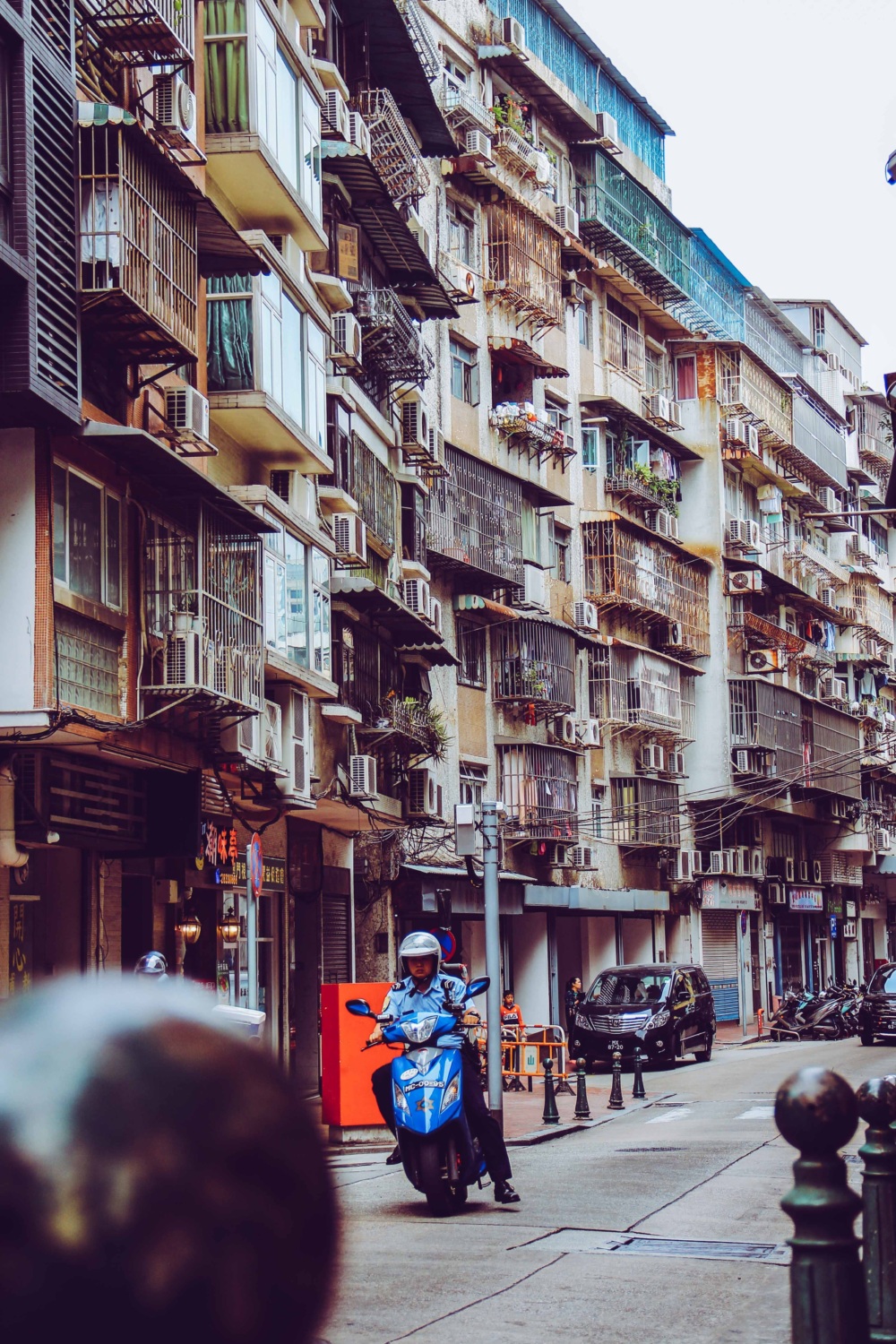
The inefficient3 ACs flooding the region are manufactured by multinational companies, which produce high-efficiency models for their domestic markets. This practice of ‘appliance dumping’ takes advantage of loopholes in national regulations, posing a severe threat to the planet, exacerbating climate change, straining energy grids, and increasing energy costs for consumers.
This report by CLASP, with support from the Institute for Governance & Sustainable Development (IGSD), documents that five of the six Southeast Asian markets studied – Indonesia, Malaysia, the Philippines, Thailand, and Vietnam – are saturated with low-efficiency room air conditioners (ACs), while only Singapore has efficient ACs with less-damaging refrigerants.
The soaring temperatures and record heatwaves that plague Southeast Asia have led to a surge in demand for residential air conditioning. However, the report reveals that if all six countries put an end to the dumping of inefficient ACs, it could result in a reduction of over 1 billion metric tons of carbon dioxide emissions over 25 years. Additionally, the region would save a cumulative USD 148 billion, exceeding the combined energy investment of the six analyzed countries over the last quarter century (USD 134 billion).
Key findings of the report include:
- The dominant multinational brands responsible for this dumping are headquartered in China, Japan, South Korea, and the United States. Since the majority of electricity in Southeast Asia is generated by fossil fuels, energy-intensive RACs contribute towards substantial indirect carbon emissions.
- In 2021, a notable 74% of total sales (6.2 million units) in the six markets were classified as low efficiency. However, sales of low-efficiency RACs vary by country. Indonesia and the Philippines are the most exposed to dated technology, with 97% and 78% of RACs, respectively, falling into this category, while in Vietnam, Malaysia, and Thailand the number is around 60%. Singapore had the most efficient RAC market, with just 21% of total sales being low-efficiency models.
- Most RACs imported to Southeast Asia do not meet the applicable minimum energy performance standards (MEPS) of the export countries. This means these inefficient units are banned from being sold in the brands’ domestic markets. Approximately 93% of RACs imported into Southeast Asia from China do not meet the efficiency requirements of China MEPS. 59% of RAC exports from South Korea to Southeast Asia and 21% of RAC exports from Japan to Southeast Asia are below the brands’ home-country requirements.
- The six Southeast Asian RAC markets use HFC refrigerants that have high GWPs. R-410A, an obsolete refrigerant scheduled for phasedown under the Montreal Protocol, has a GWP of 2,088, meaning it is over 2,000 times the potency of carbon dioxide. RACs containing R-410A accounted for 35% of Southeast Asia sales in 2021, measuring highest in Singapore (90%) and Thailand (66%).
Translations
0. This is the product of population and Cooling Degree Days (CDDs) per year (230M x 2,810 CDDs). The Person CDDs methodology has been described by the US Department of Energy in The Future of Air Conditioning For Buildings (2016), which uses the 2016 population figure of 182M. This has been updated using population of 230M in 2022. The 646-billion-person CDDs still ranks Pakistan in 5th place behind India, China, Indonesia and Nigeria.
1. Conference paper: Impact of the Auxiliary Electrical Heating on Energy Efficiency of Room Air Conditioners and Opportunity for Policy Improvement in China, CLASP
2. For the purpose of this report, the low efficiency threshold is aligned with China (inverter) MEPS level (CSPF 6.1 Wh/Wh for CC ≤ 4.5 kW, CSPF 5.1 Wh/Wh for 4.5 kW < CC ≤ 7.1 kW, and CSPF 4.5 Wh/Wh for 7.1 kW < CC ≤ 14.0 kW), the ASEAN 2025 MEPS target level, and U4E model regulations for air conditioners. Similarly, high-GWP for RACs is above the 750 GWP threshold recommended in the U4E model regulations.