
CLASP’s Research Informs South Africa’s New Water Efficiency Standards
News
CLASP’s research informs South Africa’s water efficiency labeling scheme to support consumers’ purchasing decisions and encourage uptake of water-saving products.
In a country that regularly endures water shortages, South Africa is taking a major step towards water sustainability by developing its first Water Efficiency Labelling Scheme (WELS) for taps, showerheads and toilets sold there. If fully implemented, CLASP’s analysis shows that adopting water-efficient products—especially for faucets and showerheads—could help South Africa save over 1 trillion litres of water, reduce energy use by 18 terawatt-hours, and avoid 16 million tonnes of carbon dioxide emissions each year. This will help reduce water consumption, lower energy demand, and advance the country’s climate goals.
CLASP’s technical analysis supported the call for a new standard
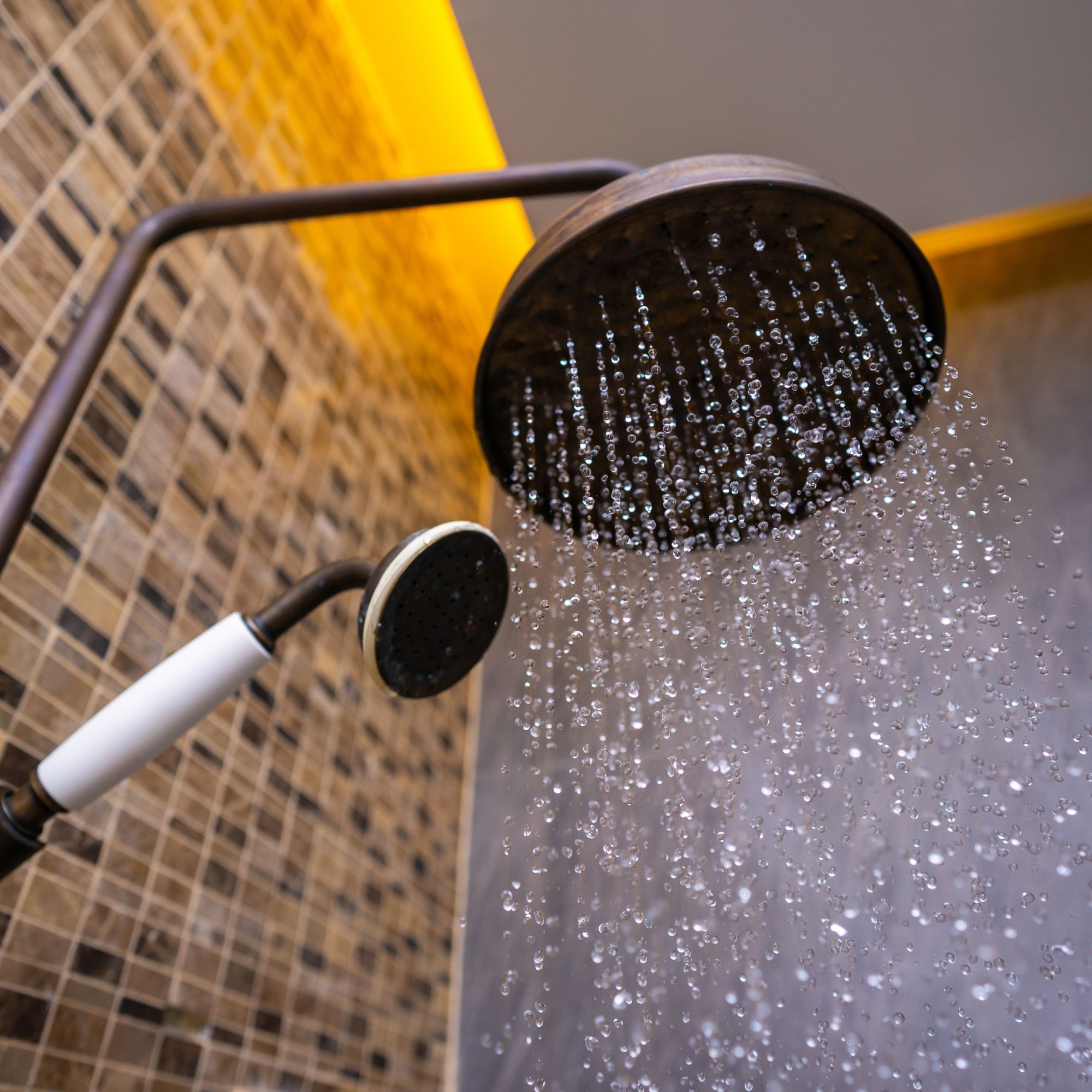
CLASP’s 2022 research “South African Shower heads Testing Report” informed the proposal to create a South African standard for shower heads that is aligned with international standards.
To develop the standards, the South African Department of Water and Sanitation (DWS), in collaboration with SANEDI, the Water Research Commission (WRC), Jackstra Solutions, and CLASP, and under the guidance of the WELS Project Steering Committee recently hosted a Water Efficiency Labelling Scheme (WELS) Forum in Pretoria. This aimed to share progress and raise awareness about the WELS project, gather strategic and technical input from stakeholders, and foster collaboration and partnerships to support successful implementation.
The WELS Forum had strong representation from both the public and private sectors.
Angellah Wekongo, Senior Associate at CLASP, attended as well. She shared international WELS case studies, highlighting the global uptake of water efficiency labelling schemes. She also emphasized the importance of central product registers in supporting these initiatives and noted the need for the WELS hosting agency in South Africa to have the system.
Notably, the private sector expressed strong support for the initiative, underscoring a shared commitment to advancing water efficiency in South Africa. This was reinforced by the industry position statement from the Institute of Plumbing South Africa (IOPSA), which states:
“Products displaying a water efficiency label empower consumers to choose in ways that benefit their household, communities and the environment. However, we recognize that education enforcement and affordability of water efficient products are key drivers in promoting widespread acceptance and adoption.”
The project has now moved onto its second phase: the water efficiency standard has been submitted to the South African Bureau of Standards (SABS). A complementary efficiency label is also being designed. The Steering Committee is also actively engaging stakeholders to explore feasible options for hosting and maintaining a central product registration system for the WELS.
The development of South Africa’s WELS in line with international best practices in sustainable water management will go a long way in reducing water waste, lowering utility bills, and will contribute to a more resilient and sustainable future for millions of people.
Read more about this in: Matthews, S. (2025) ‘Every drop counts: New labels to help South Africans save water(and money)’, The Water Wheel, July–September 2025. Pretoria: Water Research Commission (WRC). Available at: https://wrcwebsite.azurewebsites.net/wpcontent/uploads/mdocs/WW%20July%20-%20Sept%202025_WATER%20EFFICIENCY.pdf