
Kenya
Kenya, East Africa’s largest economy, has committed to reducing greenhouse gas emissions by 30% by 2030. Energy-efficient appliances are a cost-effective way to do this while improving people’s lives.
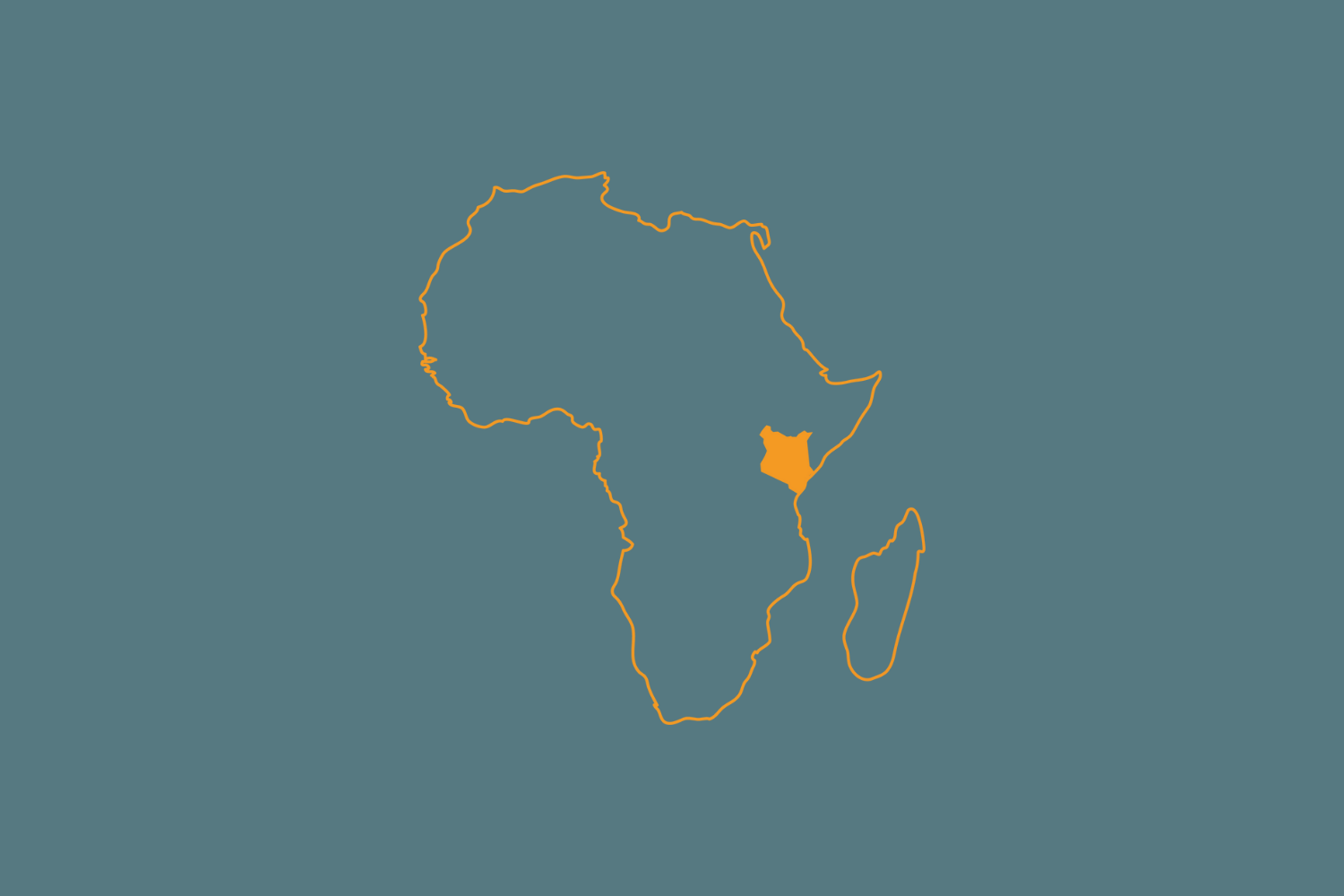
CLASP's impactful work in Kenya
- CLASP brought electric cooking to nine schools in seven counties in Kenya, helping feed over 12,000 students and advancing clean cooking in institutional settings.
- CLASP partnered with the Kenyan government to revise energy efficiency policies for cooling appliances, increasing efficiency by 11% and phasing out high ozone-depleting (R-22) refrigerants in the import market.
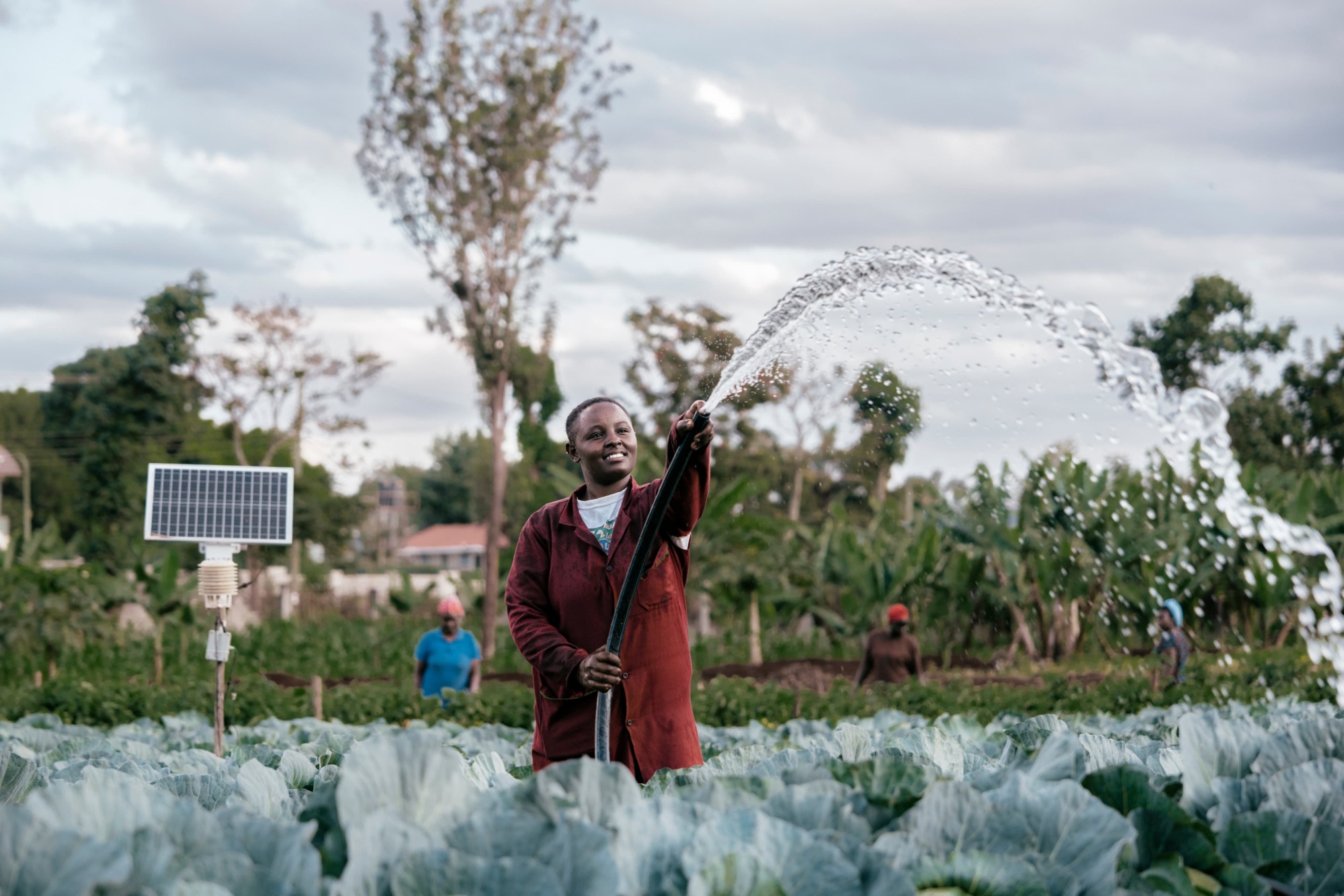
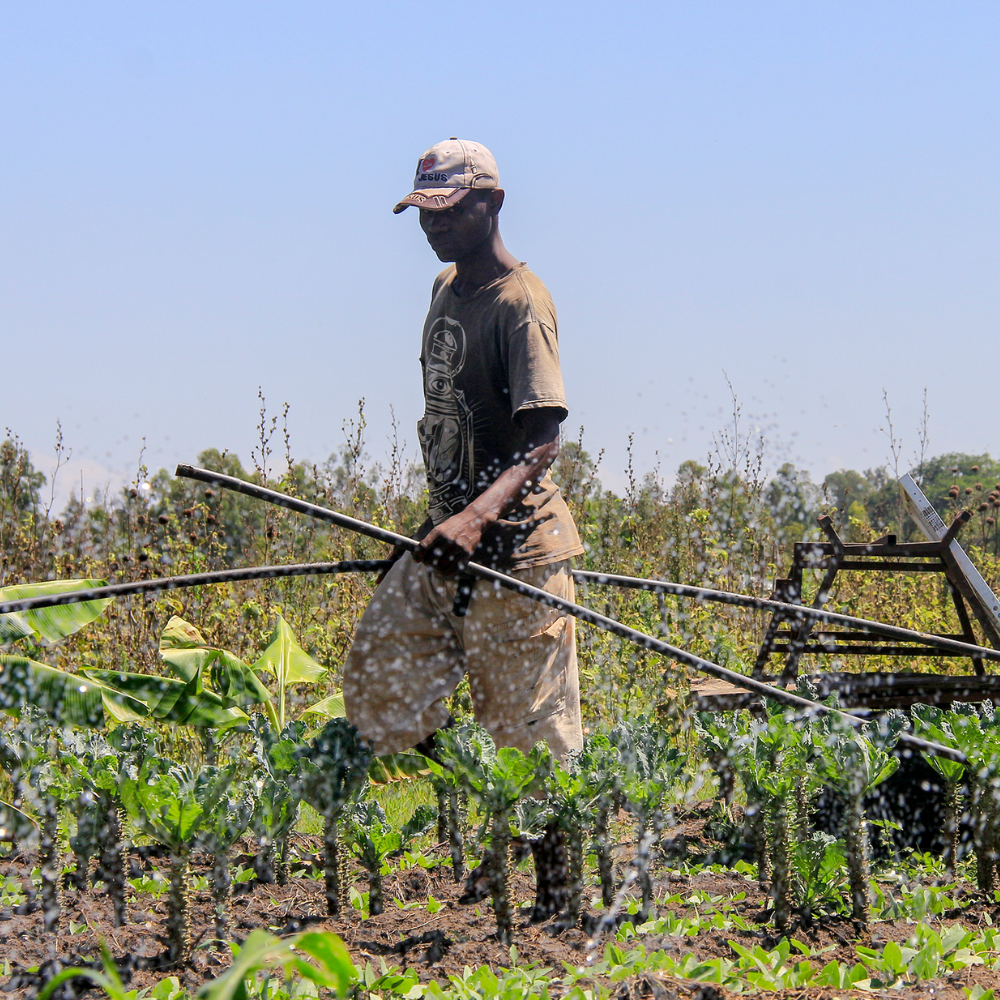
- CLASP ran a campaign to increase awareness of the benefits of solar water pumps in agricultural productivity in Kenya, reaching over 3,000,000 people.

[Photo: Shutterstock]
How does appliance efficiency benefit Kenya?
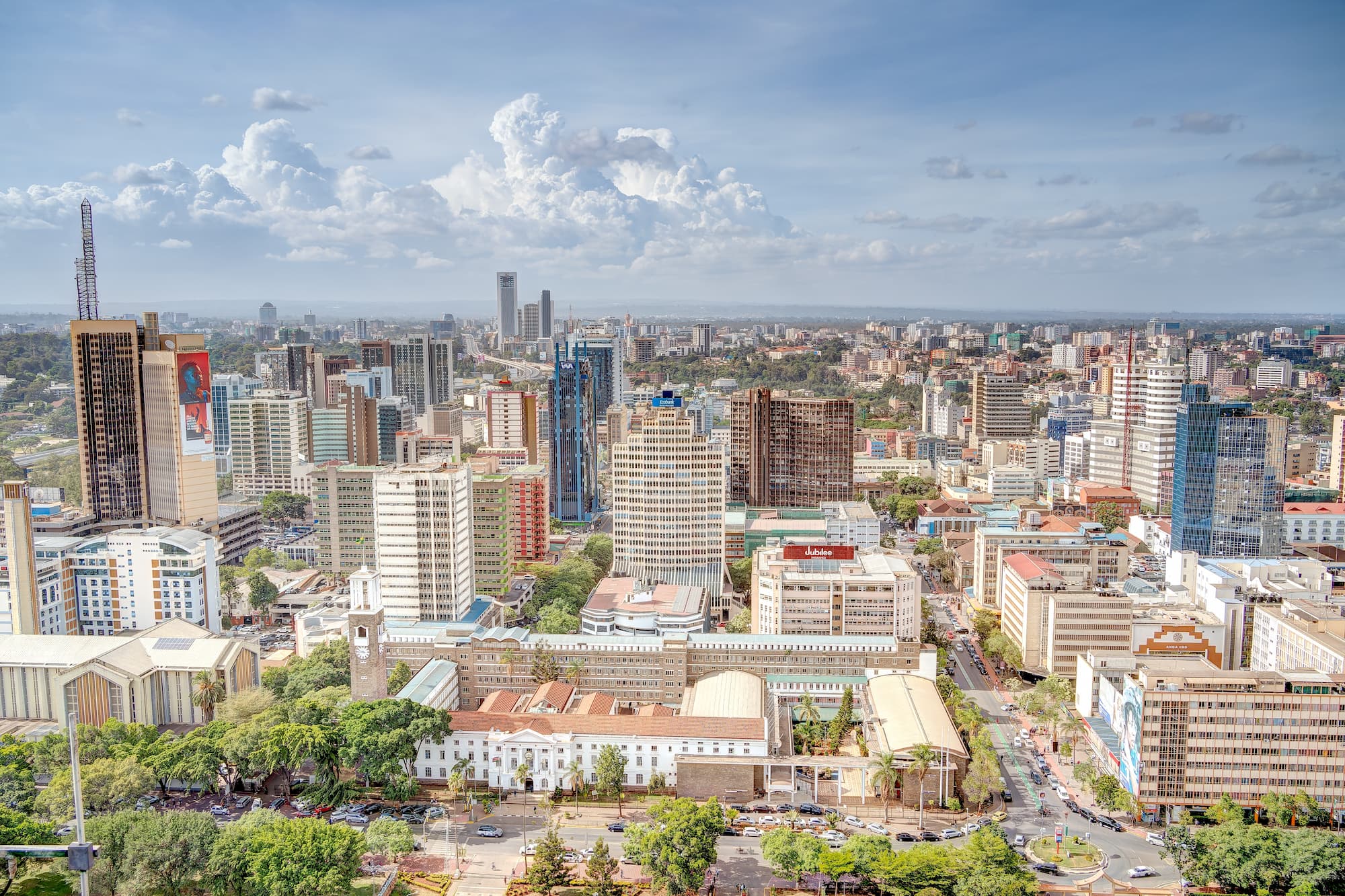
Kenya has expanded access to electricity to 79% of its population1 through sustained investment in its national grid. Although the country generates nearly 90% of its electricity from renewables,2 it’s still one of Africa’s most expensive energy markets, making affordability a major challenge.
Energy-efficient appliances reduce electricity demand, while also lowering running costs for homes and businesses.
This frees up resources for other essential needs. For a country investing in climate-smart growth, efficient appliances are essential to building a low-carbon, inclusive energy future.
CLASP partners with Kenyan innovators and policymakers to advance energy efficient appliances and policies that deliver the far-reaching benefits for people, prosperity, and the planet.
Recent News
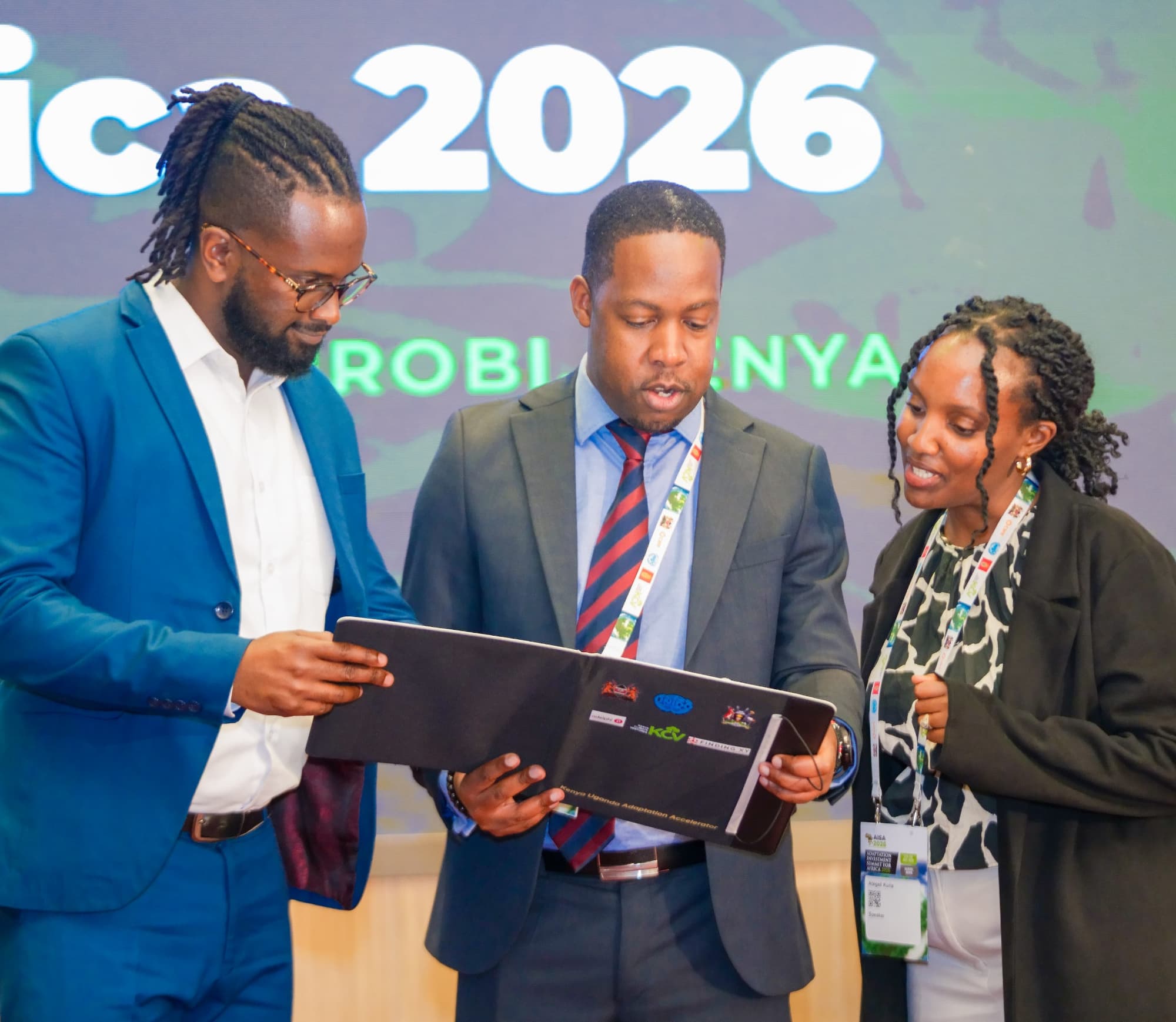
Programs in the country
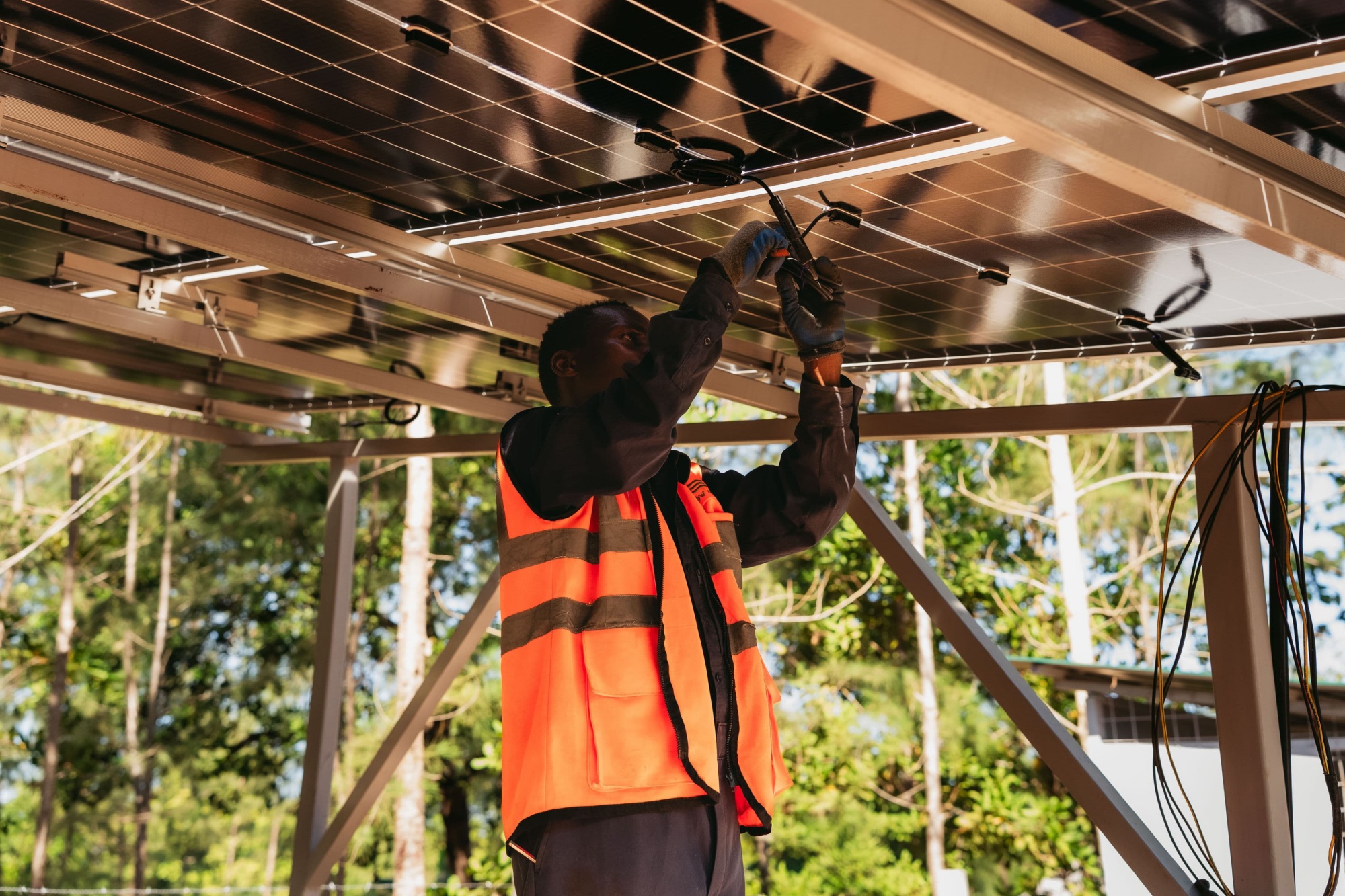
CLASP supports programs and advocates for policies in Kenya that bring energy-efficient appliances, clean cooking technologies, and standalone solar systems to communities—including those in off-grid and underserved areas.
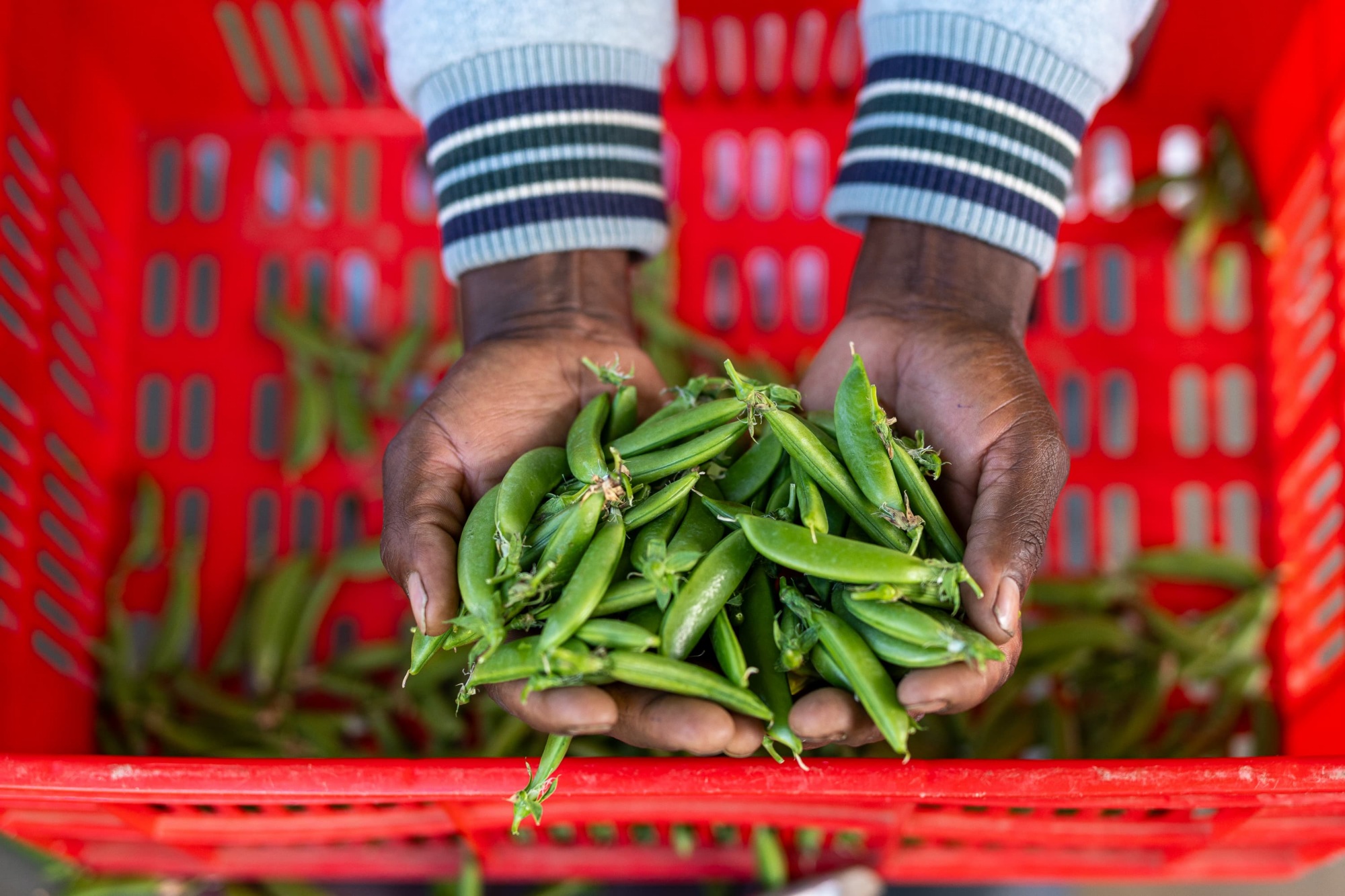
The Energy Access Institutions Facility is a joint donor initiative to support and strengthen the institutions that are essential for the achievement of Sustainable Development Goal 7, universal access to affordable, reliable, sustainable, and modern energy by 2030.

The Global LEAP Awards is an international competition to identify and promote the world’s best off-grid appliances, accelerating market development and innovation.
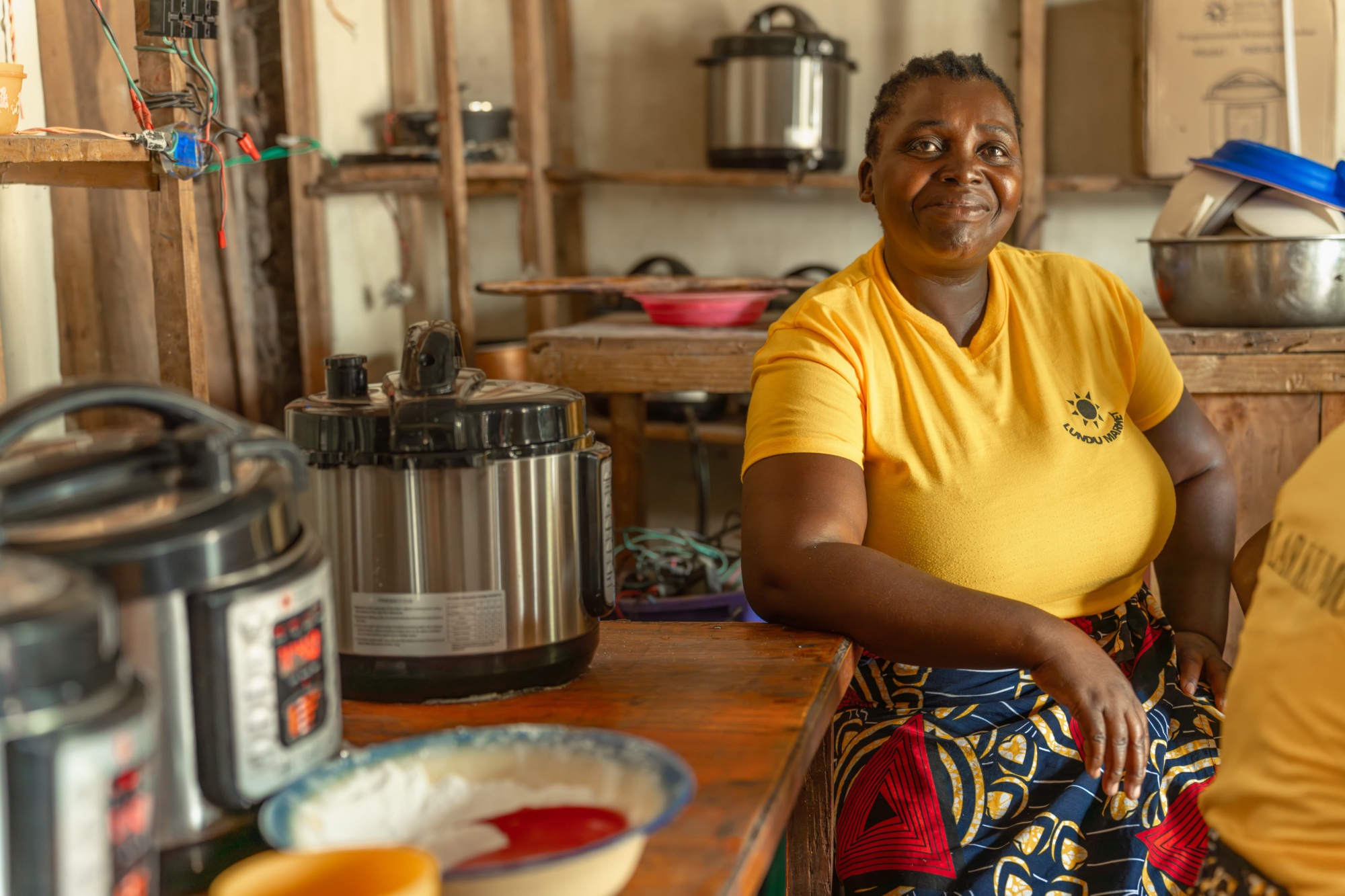
The Modern Energy Cooking Services (MECS) program, funded by the UK Government through the Foreign Commonwealth and Development Office (FCDO), works closely with partners in 16 countries to accelerate the transition from biomass to electric cooking. The program is expected to have reach across 17 countries in Africa, Asia-Pacific, and South and Southeast Asia, where clean energy transitions are urgently needed.
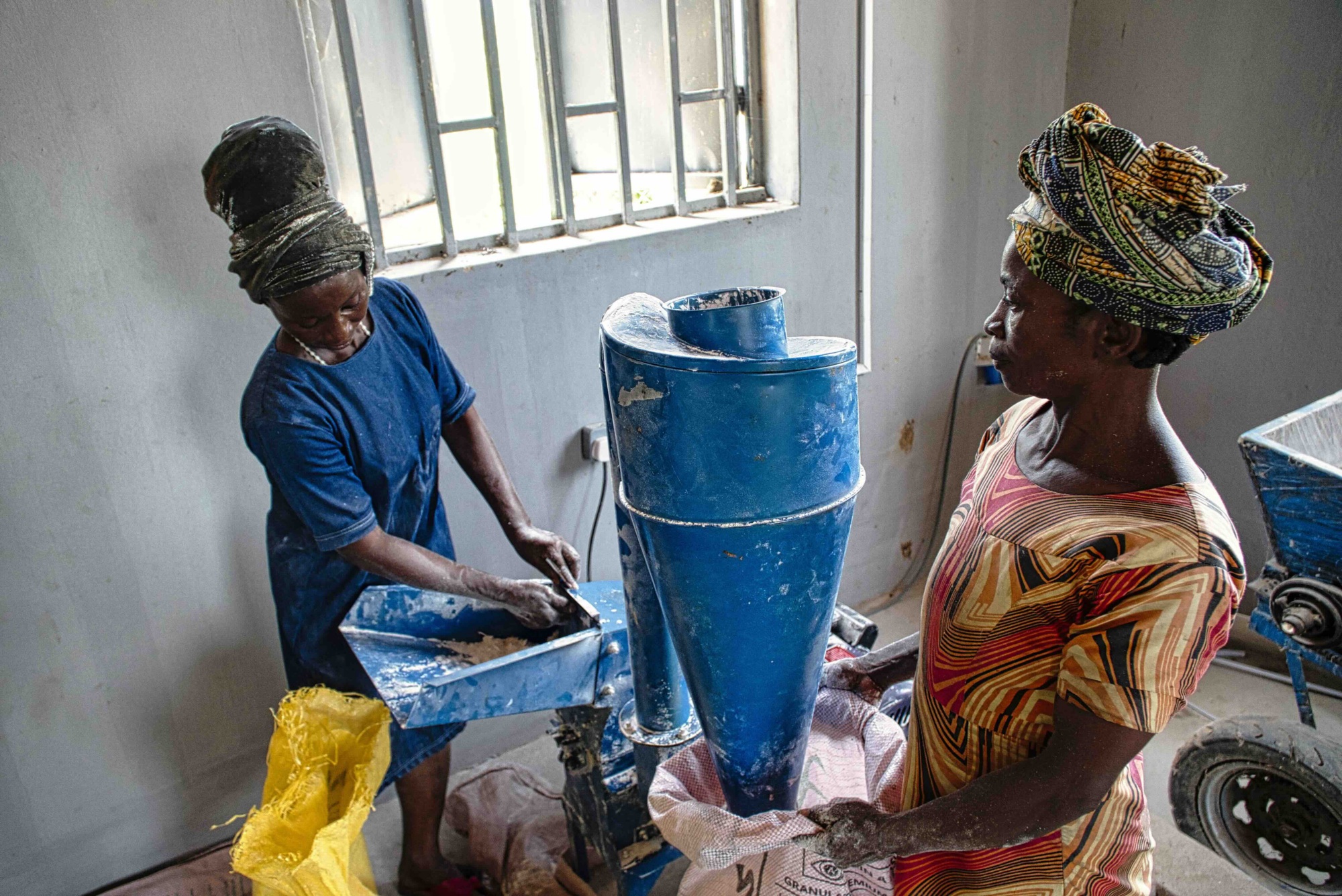
The Financing Facility makes appliances more affordable to consumers and businesses in emerging markets in Africa. The facility improves lives, creates jobs, and drives economic growth by expanding access to solar water pumps, solar mills, and solar refrigerators.
[Photo: CLASP]
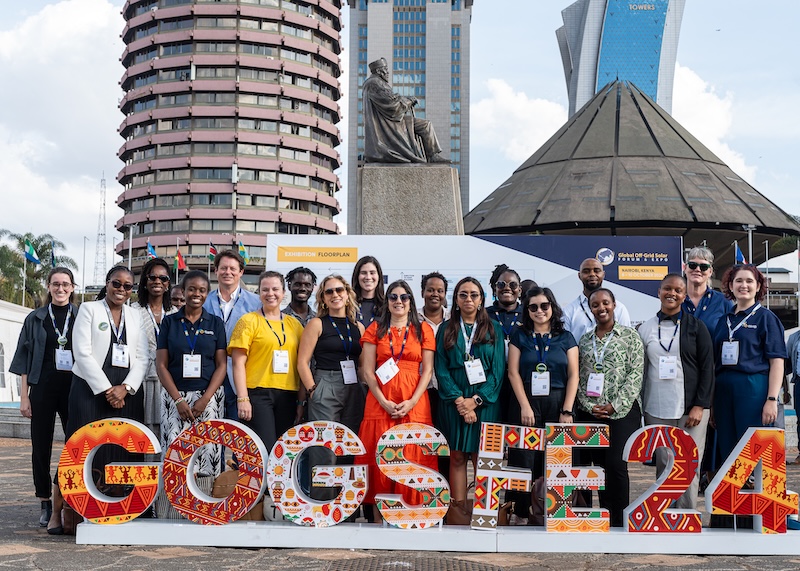
CLASP team members at the Global Off-Grid Solar Forum and Expo in Nairobi, Kenya in 2024.

Launch of Kenya's National Cooling Action Plan in June 2023.
[Photo: CLASP]
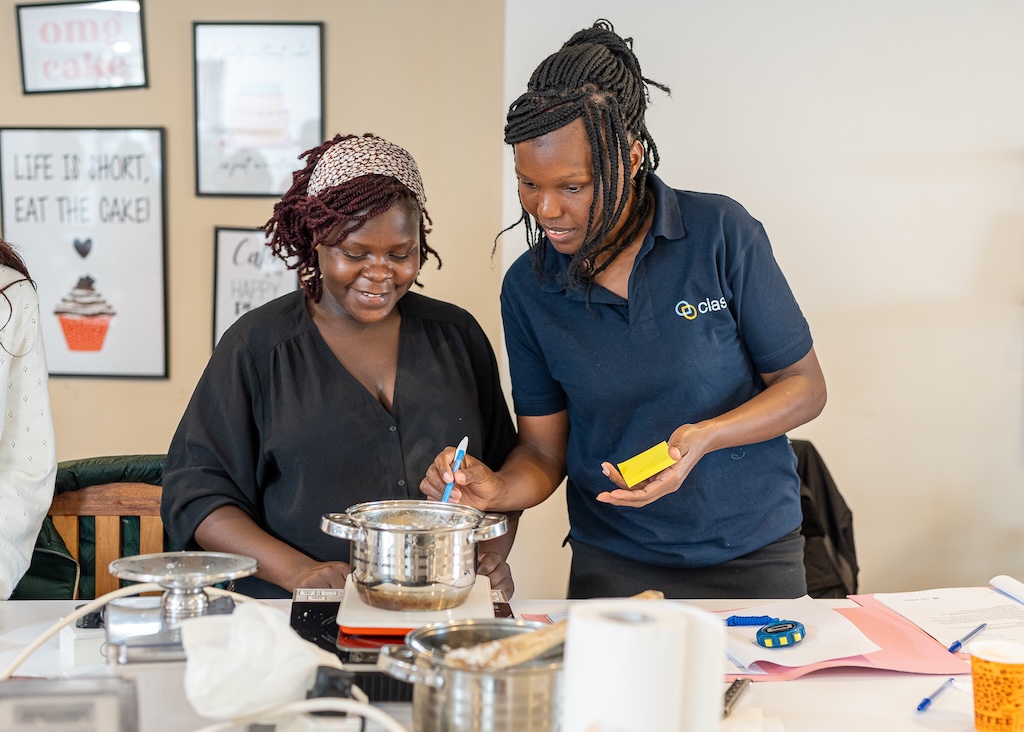
CLASP team member with participant at the Global LEAP Induction Cooktops Competition test workshop in Nairobi, Kenya in 2024.
[Photo: CLASP]
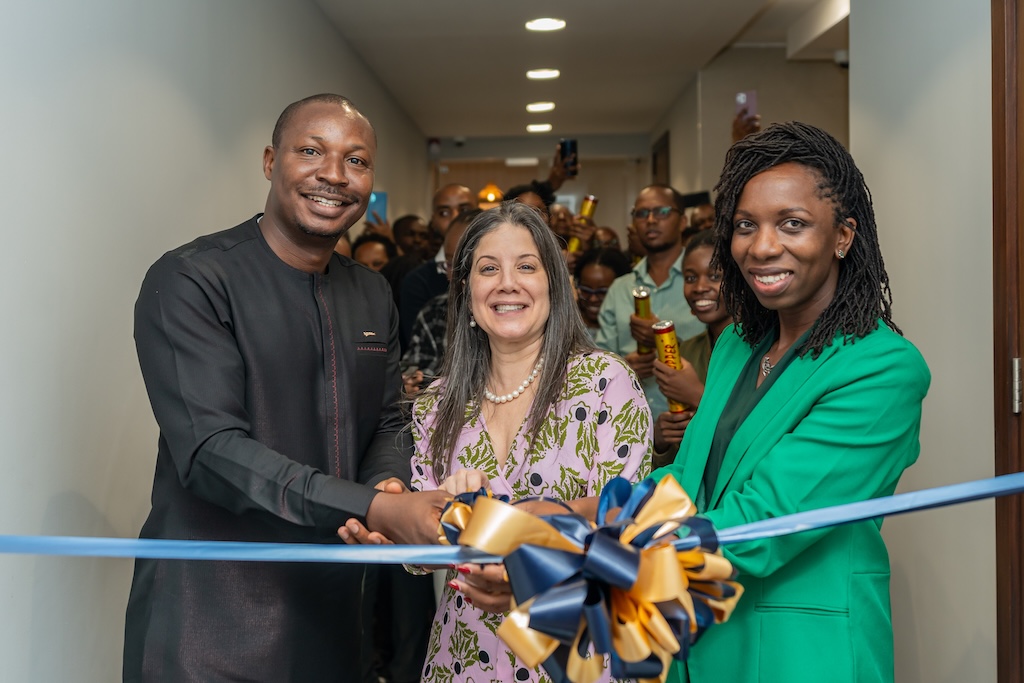
(From left to right) Emmanuel Aziebor, Christine Egan, and Nyamolo Abagi at the opening of CLASP's new Nairobi office in 2025.
[Photo: CLASP]
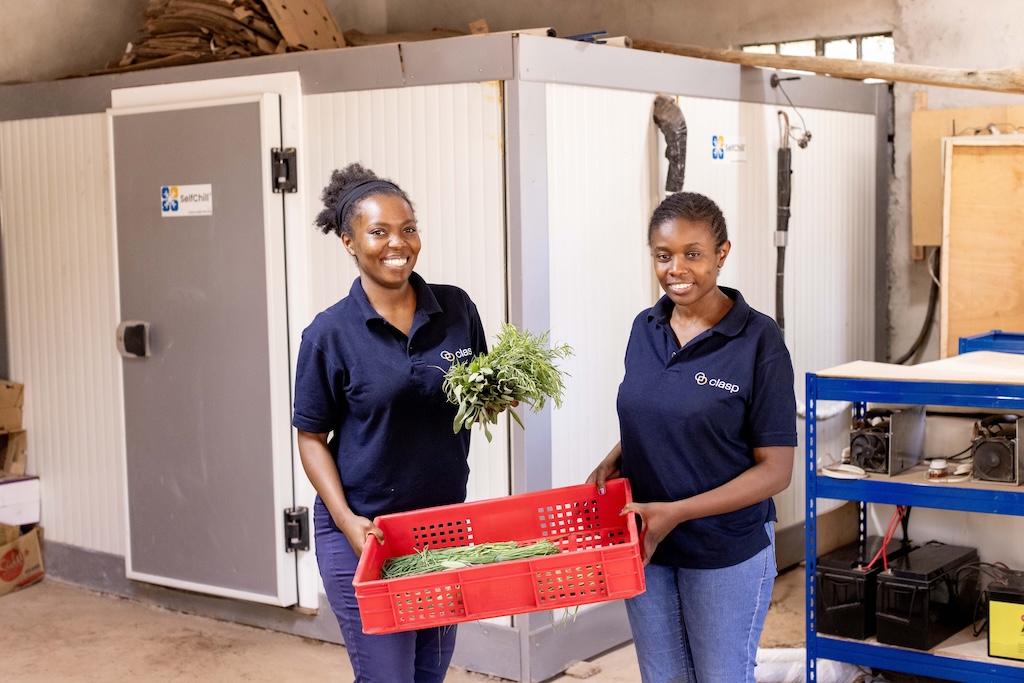
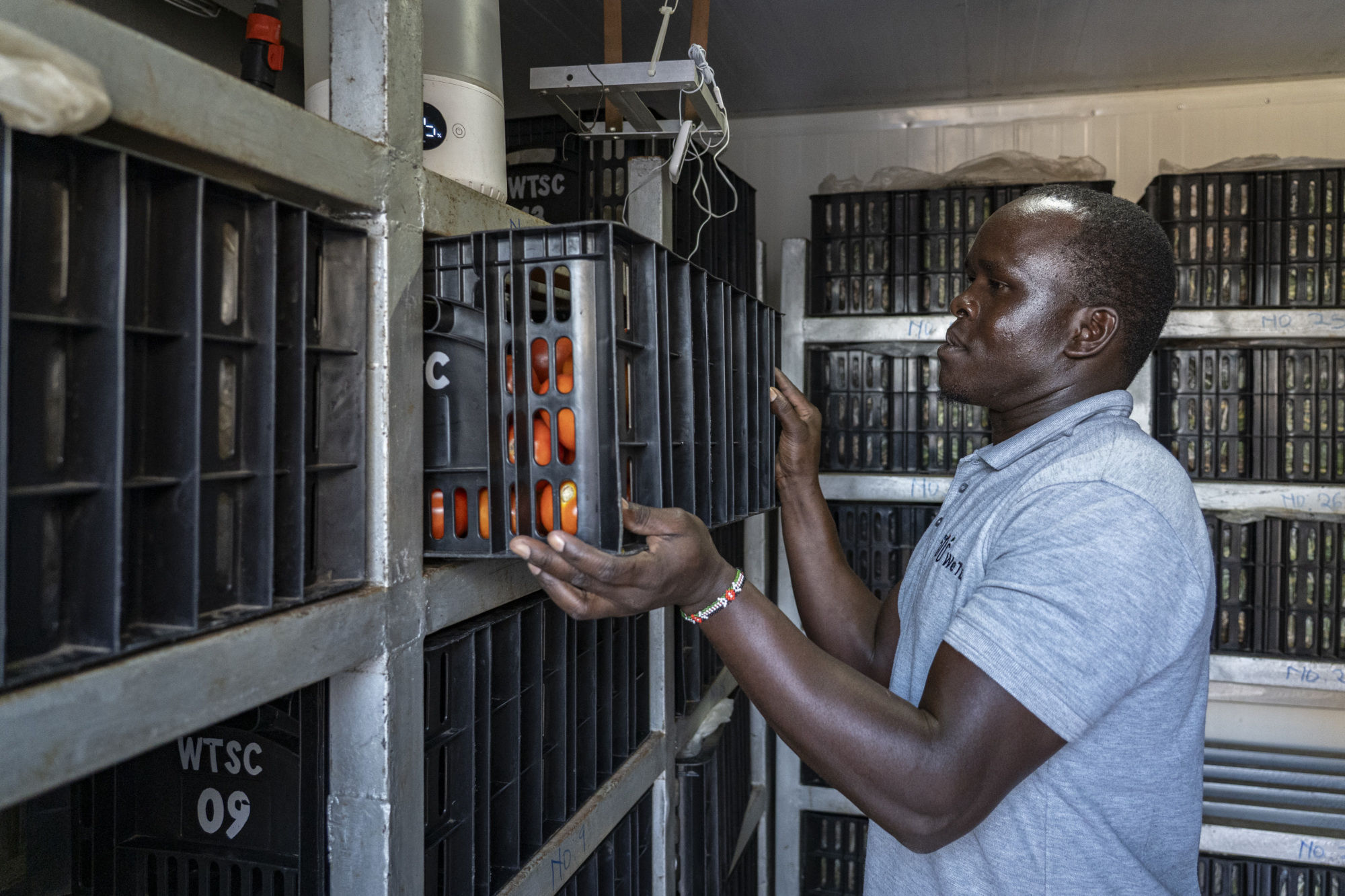
Stella Madete and Ruth Kimani on a field visit to Thika, Kenya in 2025 to view a Self-Chill walk-in cold storage unit.
Related Research

CLASP's work in Kenya impacts:





0. “Kenya”, IEA, 2024. https://www.iea.org/reports/kenya-2024
1. “Kenya”, IEA, 2024. https://www.iea.org/reports/kenya-2024/executive-summary.