
Energy Access & Appliances
Energy-efficient, high-quality appliances alleviate energy poverty and promote sustainable development—positively impacting billions of people.
CLASP’s key stats on energy access
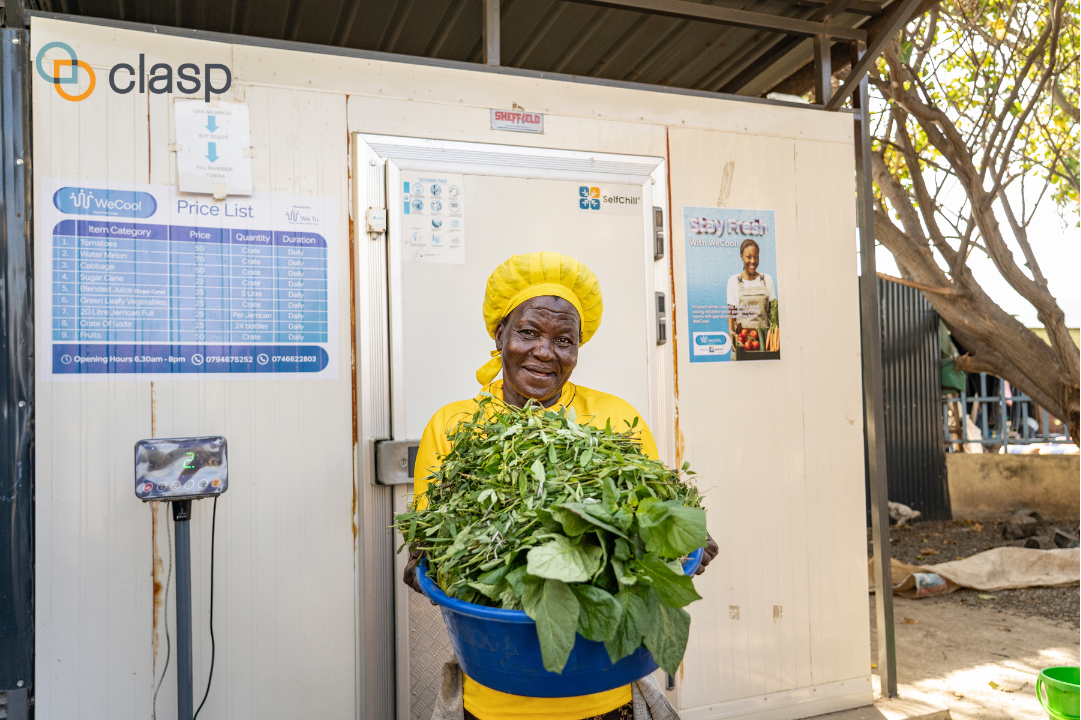
- CLASP programs have reached over 1.5 million people with innovative solar solutions.
- CLASP-managed programs have helped deliver over 300,000 solar appliances to households, businesses, and farmers.
- CLASP has delivered nearly $11 million USD in subsidies, grants, and awards to more than 150 solar appliance companies.
[Photo: CLASP]
How do energy-efficient appliances support energy access?
Energy is critical for the necessities of modern life, enabling access to healthcare, education, livelihoods, and a livable planet. Yet nearly 700 million people still live without electricity worldwide.1 And although nearly half of the global population lives in regions highly vulnerable to climate change, at least 1.2 billion people do not have access to an air conditioner or fan, while at least 1.7 billion lack access to a refrigerator.2 Expanding access to life-saving energy must happen in a way that meets climate goals and allows for the phase-down of fossil fuels.
Solar-powered appliances can bring vital services to communities that aren’t connected to the grid. They can deliver life-changing services that reduce time spent on household chores, open up opportunities to generate income, and catalyze enterprise and employment in off- and weak-grid communities.
They can also enhance off-grid health service provision, advance global food security, and improve gender equity by improving women’s health, well-being, and social and economic status.
CLASP helps catalyze the uptake of high-quality, life-transforming, energy-efficient appliances for the world’s poorest people. CLASP drives technology innovation and catalyzes appliance market growth, putting efficient, affordable, high-quality appliances and equipment within reach of low-income families and communities, as well as smallholder farmers.
Related News

How does CLASP’s work support clean energy access?
Our programs work to drive technology innovation and catalyze appliance market growth, putting efficient, affordable, high-quality appliances and equipment within reach of low-income families and communities, as well as smallholder farmers. CLASP programs and partnerships that improve energy access include:
Efficient appliances advancing energy access
CLASP has identified the highest priority appliances, lighting, and equipment that are key to lowering emissions, improving lives, and building resilience to climate risks: these are the “Net Zero Heroes.” The following appliances have a profound impact on energy access:
From a climate resilience perspective, air conditioners powered by renewable energy reduce heat-related illnesses and death during extreme heat events, particularly among vulnerable people such as the elderly and those with pre-existing health conditions.
Fans provide a low-cost and energy-efficient means of cooling during heat waves, reducing the risk of heat stroke and other heat-related illnesses.
Access to basic lighting is needed to build climate resilience. Providing access to vital lighting services during extreme weather events improves safety and wellbeing.
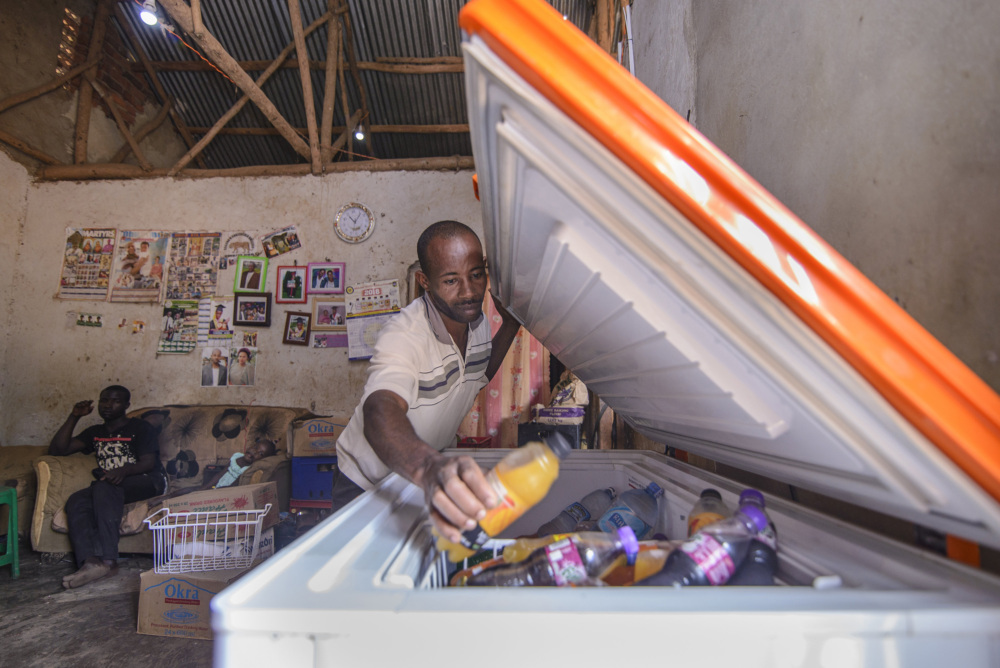
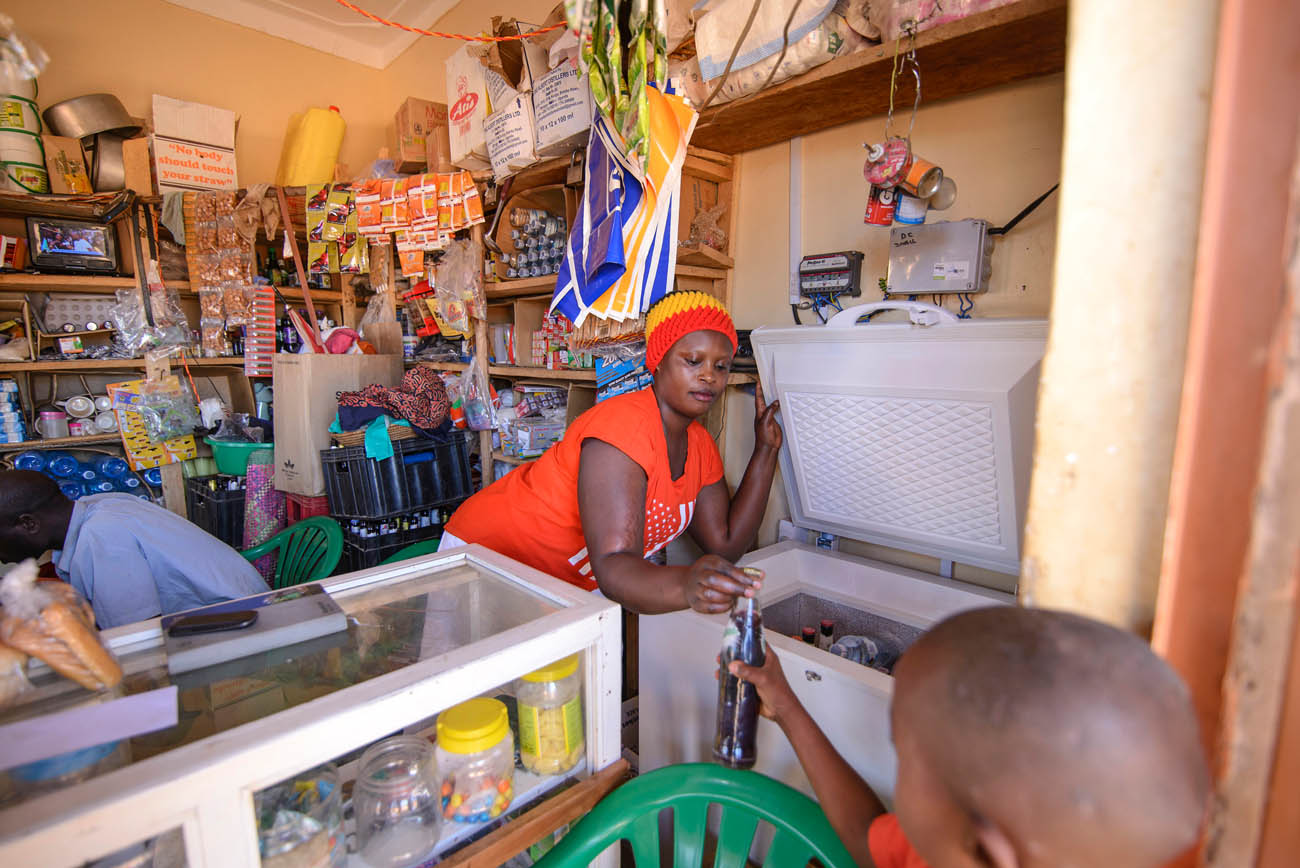
Refrigerators and freezers help extend the shelf life of food, reducing food waste and contributing to improved food security in the face of unpredictable weather patterns.
Access to efficient and good quality solar water pumps enhances food security and builds climate resilience on smallholder farms by enabling farmers to adapt to changing climatic conditions and maintain productivity when rainfall becomes more variable due to climate change.
Solar Generators
Solar powered zero emission generators (ZE Gen) provide access to clean energy in electricity-constrained regions.

Televisions help people access vital information before, during, and in the aftermath of natural disasters or severe weather events.
0. “Energy Overview”, World Bank Group, June 23, 2025. https://www.worldbank.org/en/topic/energy/overview#:~:text=Off%2Dgrid%20solar%20is%20set,140%2C000%20households%20have%20been%20connected.
1. “Global access to cooling gaps in 2022”, accessed July 15, 2025. https://www.seforall.org/chilling-prospects-2022/global-access-to-cooling-gaps.